Beyond the Shopping Cart: Top Trends Shaping the D2C Ecommerce Market

Exploring the Innovations and Strategies Defining the Future of D2C
The Direct-to-Consumer landscape is one of the most dynamic areas of retail, constantly being reshaped by new technologies and evolving consumer expectations. To thrive, brands must be acutely aware of the latest D2C Ecommerce Market Trends and adapt their strategies accordingly. The early days of simply launching a website and running social media ads are over. Today's successful D2C brands are pushing the boundaries of what it means to be a retailer, focusing on building deep community ties, seamlessly blending digital and physical experiences, and championing values that resonate with their audience. These trends are not just about new tactics; they represent a fundamental maturation of the market, moving from purely transactional relationships to building holistic, multi-channel brand ecosystems.
Trend 1: Social Commerce and the Rise of "Shoppable" Content
A massive and accelerating trend is the fusion of social media and ecommerce. Brands are no longer just using social platforms to drive traffic to their website; they are increasingly selling directly within the apps themselves. This is known as "social commerce." Platforms like Instagram, TikTok, and Pinterest have rolled out features that allow users to discover and purchase products from a post or video with just a few taps, without ever leaving the app. This removes friction from the buying process and capitalizes on impulse purchases. Live shopping events, hosted by influencers or brand representatives, are also gaining huge traction, creating a sense of urgency and entertainment around the shopping experience. Successful D2C brands are mastering the art of creating "shoppable content" that both entertains and converts.
Trend 2: From Customers to Community: The Power of Belonging
The most resilient D2C brands understand that their greatest asset is not their product, but their community. A major trend is the strategic shift from focusing on customer acquisition to investing in community building. This means fostering a sense of belonging and turning customers into passionate brand advocates. Brands are achieving this by creating exclusive online groups or forums, hosting virtual and in-person events, and developing loyalty programs that reward engagement, not just purchases. They are actively encouraging and amplifying user-generated content (UGC), making their customers the heroes of their marketing. This community-centric approach leads to higher customer lifetime value (LTV), lower marketing costs through word-of-mouth, and a powerful defensive moat against competitors.
Trend 3: Bridging the Digital-Physical Divide with Omnichannel Retail
While born online, many of the most successful D2C brands are now embracing a key trend: expanding into physical retail. This "clicks-to-bricks" movement is not about replicating the old big-box retail model. Instead, D2C brands are using physical stores as experience hubs and marketing channels. These stores are often smaller, beautifully designed, and staffed by knowledgeable brand experts. They allow customers to touch and feel products, build a human connection with the brand, and serve as convenient locations for online order pickups and returns. This omnichannel strategy recognizes that the customer journey is not purely online or offline. By creating a seamless experience across all channels, brands can deepen relationships and acquire new customers who may not have discovered them online.
Trend 4: The Increasing Importance of Sustainability and Brand Values
Today's consumers, especially younger generations, are increasingly making purchasing decisions based on a brand's values. A definitive trend in the D2C space is the rise of mission-driven brands that put sustainability, ethical sourcing, and social responsibility at the core of their identity. These brands are radically transparent about their supply chains, use eco-friendly materials and packaging, and often donate a portion of their profits to charitable causes. This resonates deeply with conscious consumers who want to feel good about the brands they support. For these D2C brands, their values are not a marketing tactic; they are their primary competitive advantage, allowing them to build a deeply loyal customer base that is willing to pay a premium for products that align with their personal ethics.
➤ In-Depth Market Studies by Market Research Future:
Categories
Read More
Columbina plays a vital role in triggering lunar reactions within Genshin Impact, serving as a key enabler for all three types of lunar-based effects. As a Hydro character, she provides the essential element needed to activate lunar reactions such as Lunar-Charged, Lunar-Bloom, and Lunar-Crystallize. Her presence is often indispensable for teams aiming to maximize their reaction potential. To...

The democratization of innovation, powered by the Idea Management Software Market, is fundamentally redefining the role of the modern employee. In the past, innovation was the domain of specialized R&D departments or top-tier executives, leaving the vast majority of the workforce in a reactive, execution-focused role. Today, these platforms empower the "connected workforce" by...
The global market for strategic intelligence is not a monolithic entity; it is composed of a diverse array of service offerings tailored to specific business needs. An exploration of the various Market Research Consulting Services Market Market Types reveals a fundamental distinction between syndicated and custom research, which forms the primary axis of service differentiation....
Das Eisenkrieger-Paradox-Deck aus der Erweiterung „Paradoxansturm“ nutzt die Fähigkeit „Zukunftssystem“ von Eisenkrieger, um die Angriffskosten von Pokémon aus der Zukunft drastisch zu senken. Mit zwei Exemplaren auf der Bank lassen sich Attacken sogar um zwei farblose Energien reduzieren, was frühe und kraftvolle Angriffe ermöglicht. Im Zentrum des...
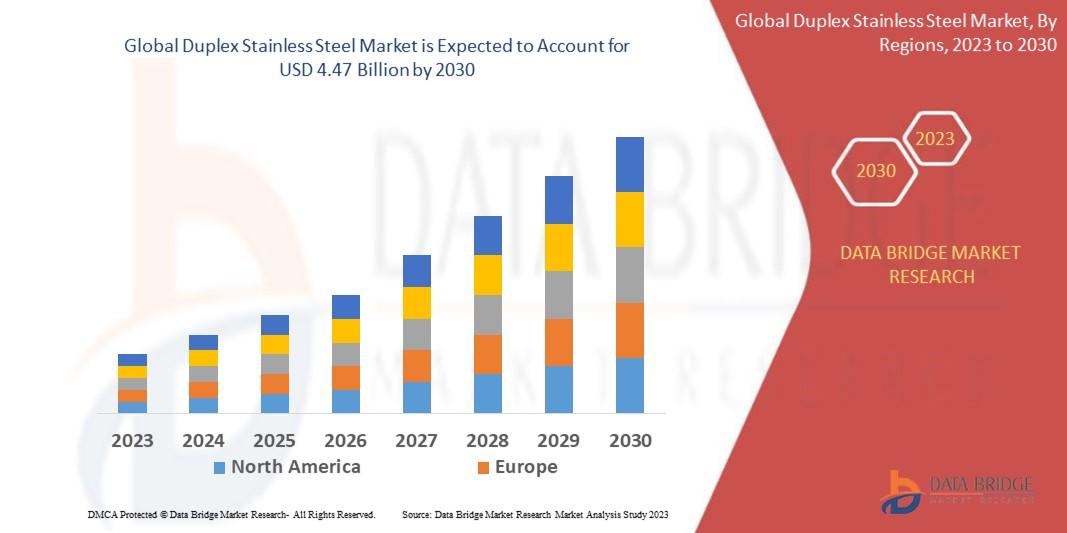
According to the latest report published by Data Bridge Market Research, the Duplex Stainless Steel Market The duplex stainless steel market, which was USD 3.5 billion in 2022, would rocket up to USD 4.47 billion by 2030 and is expected to undergo a CAGR of 3.2% during the forecast period. “Oil and Gas” dominates the duplex stainless steel market's end-user industry...