The Digital Content Ecosystem: The Modern Entertainment & Media Market Platform

The modern Entertainment & Media Market Platform is a sophisticated, multi-layered digital ecosystem that has completely redefined how content is created, distributed, and consumed. This is not a single entity but a constellation of interconnected platforms, each serving a specific function in the media value chain. At the distribution layer, the most visible platforms are the consumer-facing streaming services. For video, this includes Subscription Video on Demand (SVOD) giants like Netflix and Disney+, Advertising-based Video on Demand (AVOD) platforms like YouTube and Tubi, and live streaming platforms like Twitch. For music, it is services like Spotify, Apple Music, and Amazon Music. For video games, it is digital storefronts and subscription services like Steam, PlayStation Network, and Xbox Game Pass. These platforms act as global marketplaces, connecting millions of content creators with billions of consumers. They are built on a foundation of massive cloud infrastructure, sophisticated content delivery networks (CDNs) to ensure smooth playback, and powerful recommendation algorithms to personalize the user experience and drive discovery in a sea of infinite content.
Beneath the consumer-facing distribution platforms lies a complex B2B platform layer that is invisible to the end-user but essential to the industry's operation. This includes content management and digital supply chain platforms that media companies use to manage their vast libraries of content, prepare it for distribution on different platforms (transcoding it into various formats and adding subtitles), and track its performance. It also includes digital rights management (DRM) platforms that are used to protect content from piracy. Another critical B2B platform is the programmatic advertising ecosystem. This is a complex, automated marketplace where advertisers can bid in real-time to place their ads in front of specific types of users on ad-supported streaming services, websites, and apps. This technological platform, comprised of Demand-Side Platforms (DSPs), Supply-Side Platforms (SSPs), and Ad Exchanges, is what powers the monetization of a huge portion of the digital media landscape, allowing content to be offered to consumers for free.
A third, and increasingly influential, type of platform is the "creator economy" platform. These are tools and services designed to empower individual creators to build their own businesses and monetize their content directly. Platforms like Patreon and Substack allow writers, podcasters, and artists to offer premium content to their most dedicated fans in exchange for a monthly subscription. Social media platforms like TikTok, Instagram, and YouTube have built-in tools that allow creators to earn money through ad revenue sharing, brand sponsorships, and direct payments from fans (like "Super Thanks" or "Gifts"). This platform layer is disintermediating traditional media gatekeepers, enabling a new generation of creative entrepreneurs to build a livelihood based on their unique voice and a direct connection with their audience. This is fundamentally changing the economics of content creation and shifting power away from large studios and publishers towards individual talent.
Looking forward, the next evolution of the entertainment and media platform will be defined by the concepts of interoperability and decentralization, often associated with Web3 and the metaverse. The current platform ecosystem is largely composed of "walled gardens"—closed ecosystems where content and identity are locked into a single platform (e.g., you cannot use your Fortnite skins in Call of Duty). The vision for the metaverse is a more open and interoperable digital world where users can seamlessly move their avatars, digital assets, and social graphs between different virtual experiences and platforms. Blockchain technology and non-fungible tokens (NFTs) are seen as potential foundational layers for this new platform, providing a decentralized way to prove ownership of digital goods and content. While this vision is still in its infancy, the development of a truly open and interoperable metaverse platform could represent the next great paradigm shift for the entertainment and media industry, creating entirely new forms of interactive entertainment and digital economies.
Top Performing Market Insight Reports:
Plastic Flexible Display Market
Categorii
Citeste mai mult
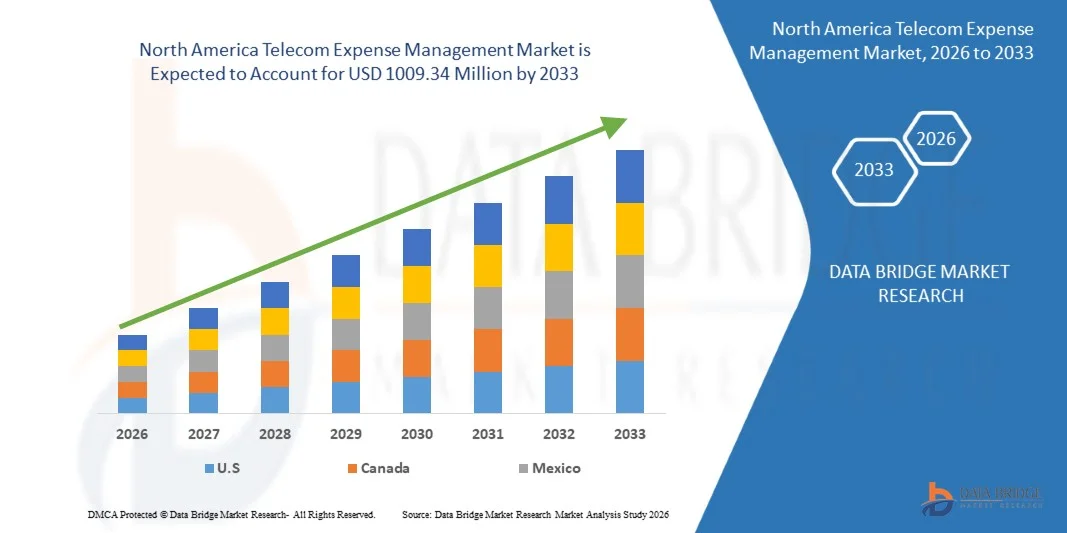
According to the latest report published by Data Bridge Market Research, the North America Telecom Expense Management Market The North America telecom expense management market size was valued at USD 677.97 million in 2025 and is expected to reach USD 1009.34 million by 2033, at a CAGR of 5.10% during the forecast period. Market definition mentioned in...
Dubai has firmly established itself as the event capital of the world. From the architectural marvel of the Burj Khalifa to the sprawling innovation hubs of Expo City, the city serves as a glittering backdrop for everything from high-stakes corporate summits to opulent destination weddings. However, the secret behind Dubai’s flawlessly executed spectacles isn't just the venues; it is the...

Chocolate processing machinery repair services are critical for restoring the performance and reliability of damaged or malfunctioning chocolate production equipment, ensuring production continuity and product quality. These services encompass the diagnosis, repair, and testing of a wide range of equipment, including mixers, confectionery machines, cooling equipment, and packaging machines. As...

The Broadband Network Gateway Market Growth trajectory is intrinsically linked to the global expansion of 5G networks and the large-scale deployment of fiber-optic infrastructure. The need to manage the massive increase in connected devices and data traffic generated by 5G is a primary catalyst, as advanced BNGs are essential for handling the complexity of network slicing and...

Understanding the regional disparities in financial literacy and product adoption is paramount for international insurers aiming to establish a sustainable footprint in developed Asian territories. The distribution of the Japan Microinsurance Market reveals fascinating variances between hyper-dense metropolitan areas like Tokyo and Osaka and the surrounding rural prefectures. In major urban...