Exploring the US Programmatic Advertising Market Types and Transaction Models

Understanding the Different Ways to Transact Programmatically
The US Programmatic Advertising Market Types are best defined by the various transaction models through which ad inventory is bought and sold. While the term "programmatic" is often used as a monolith, it encompasses a spectrum of buying mechanisms that offer different levels of access, price predictability, and control for both advertisers and publishers. These market types range from wide-open, public auctions to highly controlled, private deals that mimic traditional direct sales. The four primary transaction types are the Open Auction (Real-Time Bidding), the Private Marketplace (PMP), Preferred Deals, and Programmatic Guaranteed. Each type serves a distinct purpose and has its own set of advantages and disadvantages. The evolution of the market has seen a clear trend moving from a heavy reliance on the open auction towards the more controlled and premium environments of private deals, reflecting a maturing industry that is increasingly prioritizing transparency, data privacy, and inventory quality. Understanding this spectrum is essential for any participant looking to navigate the programmatic ecosystem and execute a media buying strategy that aligns with their specific campaign goals.
Type 1: The Open Auction and Real-Time Bidding (RTB)
The Open Auction, powered by Real-Time Bidding (RTB), is the original and most well-known type of programmatic transaction. It operates as a vast, public marketplace where a publisher's ad impression is offered up for auction to any and all advertisers connected to the ad exchange. The process is instantaneous: when a user visits a webpage, an ad request is sent to the exchange, and multiple Demand-Side Platforms (DSPs) bid on the impression in real-time based on their valuation of that user. The highest bidder wins, and their ad is served, all within milliseconds. The primary advantage of the open auction for advertisers is its immense scale and reach, providing access to a massive pool of inventory at potentially low prices. For publishers, it ensures that no inventory goes unsold. However, the open auction also has its drawbacks. For advertisers, there can be a lack of transparency about where their ads are running, leading to brand safety concerns. For publishers, the auction dynamics can sometimes drive down prices. This market type is excellent for large-scale reach and direct-response campaigns but is often supplemented by more controlled buying methods.
Type 2: The Private Marketplace (PMP)
The Private Marketplace (PMP), also known as an invitation-only auction, represents a more exclusive and controlled market type. In a PMP, a publisher or a group of publishers curates a selection of their premium ad inventory and makes it available only to a select group of invited advertisers. These advertisers then compete for the inventory in a private auction. The primary value of a PMP for advertisers is gaining privileged access to high-quality, brand-safe inventory that may not be available on the open auction, often with greater transparency into the specific sites and placements. For publishers, a PMP allows them to command higher prices for their premium inventory by creating a competitive environment among a smaller group of high-quality buyers, without devaluing their brand on the open market. It also gives them more control over which advertisers can appear on their properties. PMPs offer a powerful middle ground between the chaos of the open auction and the rigidity of direct-sold deals, providing a blend of programmatic efficiency with the quality and control of a more traditional relationship, making it a rapidly growing segment of the market.
Type 3: Preferred Deals and Programmatic Guaranteed
At the most controlled end of the spectrum are Preferred Deals and Programmatic Guaranteed, which use programmatic technology to automate direct sales relationships. A Preferred Deal is a one-to-one arrangement where a publisher offers specific inventory to a single advertiser at a pre-negotiated fixed price (CPM). The advertiser gets a "first look" at this inventory before it is offered to the open auction or a PMP, but there is no obligation or volume commitment; they can choose to buy it or not. This gives advertisers priority access to coveted inventory. Programmatic Guaranteed (or Programmatic Direct) takes this a step further by fully automating a traditional direct-sold insertion order. In this model, the advertiser commits to buying a specific, fixed volume of impressions from a publisher at a pre-negotiated fixed price. The programmatic pipes are then used to automate the campaign setup, ad serving, and billing processes. This market type combines the price and volume certainty of a traditional direct deal with the workflow efficiency and data-targeting capabilities of programmatic. It is the preferred model for high-value, brand-focused campaigns where securing placement on a specific premium site is paramount.
Top Trending Reports:
Categories
Read More
Netflix has commenced filming the third installment of Paquita Salas in Madrid as of last Saturday, March 11th, 2019. The iconic talent agent, cherished by audiences worldwide, is set to embark on another quest to discover emerging stars in this latest chapter crafted by the creative duo Javier Ambrossi and Javier Calvo, who serve as creators, writers, and directors. The upcoming season...

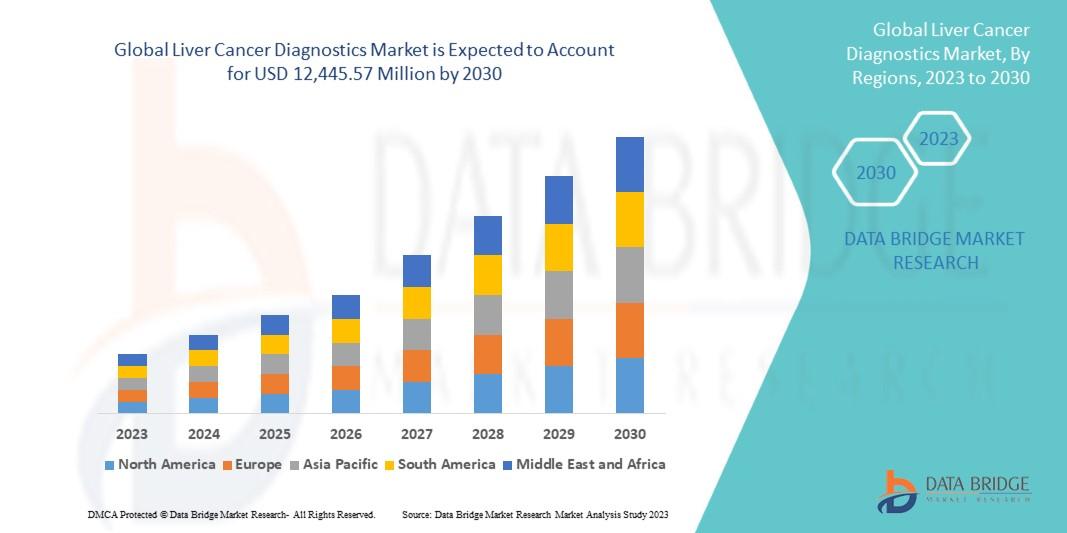
According to the latest report published by Data Bridge Market Research, the Liver Cancer Diagnostics Market The global liver cancer diagnostics market is expected to gain market growth in the forecast period of 2023 to 2030. Data Bridge Market Research analyses that the market is growing with a CAGR of 6.5% in the forecast period of 2023 to 2030 and is expected to reach USD 12,445.57...
Let's be real — DLC weapons are half the reason we all dive back into a game with the fervor of a kid in a candy store. And oh boy, does Lies of P’s Overture DLC deliver on the “pointy (and sometimes explosive) goodness” front. I’ve spent countless hours scouring every frozen shipwreck, macabre carnival, and creepy underground lab, and I’m here to spill the...
In 2026, I am still trapped in a love/hate relationship with Hollow Knight: Silksong. I waited seven years for this sequel. I sharpened my needle, practiced my pogo, and convinced myself I would be ready. Then Pharloom looked at me, laughed, and threw a flying bug at my face. I adore Hollow Knight, but I know my skill gap. I never mastered those nightmarish pogo platforming sequences. I was...
A comprehensive End Of Life Planning Consultation Service Market Analysis reveals a dynamic sector poised for significant expansion driven by growing awareness, aging populations, and technological advancement. Individuals increasingly recognize the importance of proactive planning for their final years, understanding that proper preparation ensures wishes are honored and reduces burden on...