The Key Players Defining the Global Event Management Software Market Share

The global competition for Event Management Software Market Share is a dynamic and highly competitive landscape, featuring a wide spectrum of players from established enterprise software giants to nimble, venture-backed startups. The market is fragmented, with different leaders dominating different segments, from large enterprise conferences to small business meetings, and from in-person to virtual events. Market share is being won and lost based on the comprehensiveness of the platform, the quality of the user experience for both organizers and attendees, the ability to support the complex needs of hybrid events, and the power of the platform's data and analytics capabilities. The competitive landscape can be broadly categorized into three main strategic groups: the end-to-end enterprise platform leaders, the best-of-breed point solution specialists, and a new wave of modern, all-in-one platforms.
The leadership position in the large enterprise segment of the market is held by a handful of established, comprehensive platform providers. Cvent is the undisputed heavyweight champion in this category. For decades, Cvent has built its dominant market share by offering a powerful, end-to-end suite of tools that covers every conceivable aspect of managing large, complex corporate meetings and conferences, from venue sourcing and registration to mobile apps and post-event analytics. Their strategy is to be the single system of record for an enterprise's entire event portfolio. Other major players in this high-end segment have often grown through acquisition, combining different best-of-breed tools into a broader platform. The market share of these leaders is built on their deep functionality, their ability to handle global scale and complexity, and their long-standing relationships with the Fortune 500 and the world's largest event agencies.
A second and very large portion of the market is composed of a vast ecosystem of "best-of-breed" or point solution vendors. These companies do not try to do everything; instead, they focus on being the absolute best at a specific part of the event technology stack. This is a highly fragmented and innovative segment. For example, there are companies that specialize exclusively in registration and ticketing, others that focus only on creating beautiful and engaging mobile event apps, and a whole host of companies that have emerged to provide specialized platforms for virtual events. While a single one of these companies may not have a large overall market share, their collective share is enormous. Many organizations prefer to assemble their event tech stack by choosing what they perceive to be the best tool for each job, and the innovation driven by these specialists often pushes the entire industry forward.
A third and rapidly growing group consists of a new wave of modern, "all-in-one" event marketing and management platforms. Companies like Bizzabo and Hopin (which grew explosively during the virtual event boom) are examples of this category. Their strategy is to offer a more user-friendly, beautifully designed, and integrated platform that is often more accessible and affordable for the mid-market than the enterprise-focused giants. They have built their market share by focusing on the attendee experience and by providing a single platform that can seamlessly handle in-person, virtual, and hybrid events. They appeal to a new generation of event marketers who value a modern user interface, strong data and analytics capabilities, and a platform that is easy for their entire team to use. The rapid growth of these players has put significant competitive pressure on the more established vendors and has been a major force for change and modernization across the entire market.
Top Trending Reports:
Electronic Design Automation Software Market
Categories
Read More
A groundbreaking alliance merges the digital battlegrounds with real-world travel. The iconic mobile game PUBG MOBILE announces a pioneering partnership with the global luggage giant, American Tourister. This fusion brings a bold, limited-edition collection, blending virtual style with physical gear designed for the modern gamer on the move. Prepare for an exclusive in-game aesthetic overhaul,...

Director Barry Sonnenfeld, known for his work on the "Men in Black" series, has teamed up once again with producer Scott Rudin for the upcoming film adaptation of "Lemony Snicket’s A Series of Unfortunate Events." This project marks the beginning of what studio executives at Paramount and Nickelodeon Films hope will develop into a successful franchise based on Daniel Handler's bestselling...
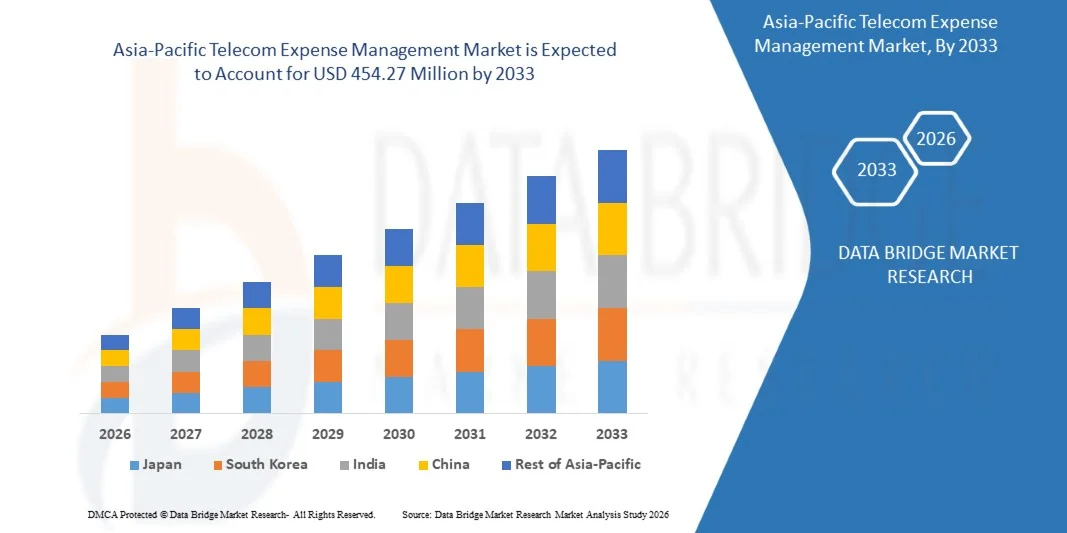
According to the latest report published by Data Bridge Market Research, the Asia-Pacific Telecom Expense Management Market The Asia-Pacific Telecom Expense Management market size was valued at USD 347.65 million in 2025 and is expected to reach USD 454.27 million by 2033, at a CAGR of 3.40% during the forecast period. The Asia-Pacific Telecom Expense...
On May 31 in Seoul, South Korea, a major announcement was made by Netflix, the global leader in online entertainment. The streaming platform revealed that its first Korean original variety show, "I Know Who You Are," has been renewed for a second season, much to the excitement of fans. This renewal underscores Netflix’s commitment to expanding its Korean content portfolio. The upcoming...
Let me be real with you: Hollow Knight: Silksong does not mess around. Between the unforgiving combat and those brutal platforming stretches, Team Cherry has absolutely kept the “git gud” energy alive in 2026. But here’s the good news — the game gives you tools that can seriously tip the odds in your favor. One of the earliest and most satisfying offensive pickups...