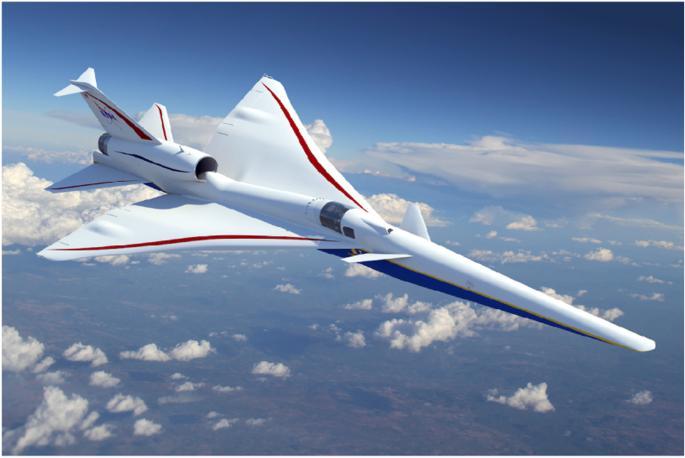
Connected Aircraft and Real-Time Data Transforming the Aviation IoT Market
The Aviation IoT Market is expanding as airlines and aerospace technology providers explore connected aircraft solutions that support real-time monitoring, operational efficiency, and improved passenger services. Connected aircraft use sensors, communication networks, and digital platforms to exchange information between onboard systems and authorized ground-based applications. These capabilities can help aviation stakeholders gain better visibility into aircraft performance and operational conditions.
As airlines manage increasingly complex fleets, access to timely and accurate data has become an important operational priority. IoT technologies can support aircraft health monitoring, fuel management, cabin environment monitoring, and the coordination of maintenance activities. The growing adoption of digital aviation platforms is creating opportunities for hardware manufacturers, software developers, and connectivity providers.
Market Growth and Trends
One of the major trends influencing the Aviation IoT Market is the development of connected aircraft ecosystems. Sensors can capture information about selected aircraft systems, while onboard computing and communication equipment help process and transmit relevant data. Ground-based platforms can then use this information to support maintenance planning, fleet management, and operational analysis.
Fuel efficiency is another important application. Aviation operators face pressure to manage operating expenses and improve resource utilization. Data collected from aircraft systems can help airlines analyze fuel consumption patterns, compare operational performance, and identify potential areas for improvement. Actual savings depend on aircraft characteristics, flight conditions, and the operational measures implemented.
In-flight connectivity is also contributing to the connected aviation ecosystem. Communication technologies can support passenger internet access, digital entertainment, and selected operational services. Satellite connectivity is particularly relevant when aircraft travel beyond the reach of terrestrial networks, although coverage, capacity, and service costs vary.
Digital integration is creating additional opportunities for airlines to connect aircraft information with maintenance and fleet-management platforms. However, these deployments must address data security, connectivity reliability, system compatibility, and aviation-specific certification requirements.
Key Players and Competitive Landscape
Companies participating in the broader aviation IoT ecosystem include Honeywell Aerospace, Collins Aerospace, Thales Group, GE Aerospace, and Airbus. Their activities span different areas of aerospace technology, connected operations, aircraft systems, and digital services.
Competitive differentiation increasingly depends on connectivity performance, analytics capabilities, interoperability, and the ability to provide reliable support throughout an aircraft's service life. Collaboration between aircraft manufacturers, airlines, telecommunications providers, and software companies can help accelerate connected aviation development.
Future Scope
The future of the Aviation IoT Market is likely to be shaped by connected fleet management, improved onboard monitoring, satellite communication, and more sophisticated analytics. Greater integration between aircraft and ground systems may provide operators with better information for maintenance planning and operational decisions.
For further information, explore the connected aircraft technology market.
FAQs
Q1. What is a connected aircraft?
A connected aircraft uses onboard systems, sensors, and communication technologies to exchange relevant operational information with authorized digital platforms and ground-based services.
Q2. How can IoT help airlines improve fuel efficiency?
IoT-enabled monitoring can provide data about fuel consumption and aircraft performance, helping airlines analyze operations and identify opportunities to improve efficiency.
Κατηγορίες
Διαβάζω περισσότερα
A new creative partnership is taking shape at the global streaming giant. Darla Anderson, the celebrated producer behind Pixar's greatest hits, is bringing her visionary talents to Netflix. Her mission? To craft original animated and live-action stories for families across the globe. Anderson's legacy is built on groundbreaking work. She championed the all-Latino cast of the Oscar-winning...

According to the latest report published by Data Bridge Market Research, the Taiwan, China, India, U.S., Europe Antenna Market The Taiwan antenna market size was valued at USD 154.40 million in 2024 and is expected to reach USD 292.20 million by 2032, at a CAGR of 8.3% during the forecast period The China antenna market size was valued at USD...
I’ve been spelunking through Pharloom for months now, and even in 2026, Hollow Knight: Silksong still finds ways to knock the wind out of me. The sheer density of secrets in this game is absurd – every crumbly wall, every shimmering crevice, every suspiciously quiet room holds something that could flip your entire playthrough on its head. But after countless hours farming Rosaries...
The global cutting boards market has been experiencing significant growth due to the increasing enthusiasm for cooking and culinary exploration among consumers. Over the past decade, cooking has evolved from a basic household task into a popular hobby and lifestyle activity. People are becoming more interested in preparing meals from scratch, experimenting with recipes, and presenting food...
The Supersonic Jet Market is experiencing a notable shift in design philosophy, with the delta wing configuration emerging as the fastest-growing design segment as engineers prioritize aerodynamic efficiency, reduced drag, and enhanced high-speed performance, offering significant advantages for next-generation supersonic aircraft. As per Market Research Future, the Supersonic Jet...