The B2B Event Market exhibits strong regional growth dynamics, with North America, Europe, and Asia-Pacific serving as the three primary engines of global market expansion, each driven by distinct combinations of economic conditions, industry concentration

The B2B Event Market is undergoing a strategic transformation driven by the growing sophistication of return on investment measurement frameworks and advanced data analytics capabilities that are enabling organizations to quantify event impact, optimize resource allocation, and demonstrate clear business value from their event investments with unprecedented precision. Historically, B2B event success was measured through relatively simplistic metrics including attendance numbers, lead counts, and anecdotal feedback that provided limited insight into the actual business impact of event participation and sponsorship. Modern analytics platforms and attribution models have replaced these rudimentary approaches with comprehensive measurement frameworks that track the entire attendee journey from initial awareness through post-event conversion, connecting specific event interactions to pipeline generation, deal acceleration, customer retention, and revenue outcomes. This evolution in measurement capability is fundamentally changing how organizations plan, execute, and evaluate their B2B event programs, shifting the conversation from cost centers to revenue generators and enabling event professionals to secure larger budgets and greater organizational support based on demonstrable financial returns that resonate with executive leadership and financial stakeholders.
Advanced attribution modeling represents the most significant advancement transforming B2B event measurement, enabling organizations to trace the complex, multi-touch buyer journeys that characterize modern B2B purchasing decisions and identify the specific role that events play in driving revenue outcomes. Traditional first-touch and last-touch attribution models often undervalued event contributions by attributing conversion credit to the initial digital interaction or final sales call while ignoring the critical influence of event experiences in building awareness, trust, and purchase intent. Multi-touch attribution models address this limitation by distributing conversion credit across all meaningful touchpoints in the buyer journey, providing more accurate visibility into how event interactions contribute to pipeline development alongside digital marketing, sales outreach, and content engagement activities. Event-specific attribution capabilities track post-event behaviors including website visits, content downloads, demo requests, and sales conversations that occur within defined timeframes following event participation, establishing clear connections between event experiences and downstream business activities. Account-based attribution models are particularly valuable for B2B events, as they aggregate engagement data across multiple attendees from the same target organization to provide a holistic view of how event interactions influence complex, multi-stakeholder purchasing decisions that may involve dozens of individuals over extended evaluation periods.
Predictive analytics and machine learning capabilities are enhancing B2B event strategies by enabling organizers and participants to forecast outcomes, optimize decisions, and personalize experiences based on data-driven insights rather than historical patterns and intuition. Predictive attendance models analyze registration data, historical behavior, demographic information, and external factors including weather and competing events to forecast actual attendance with high accuracy, enabling organizers to optimize venue sizing, catering orders, staffing levels, and resource allocation that minimize waste while maximizing attendee satisfaction. Lead scoring algorithms evaluate attendee behavior during events including session attendance, booth visits, content downloads, and networking activity to identify high-potential prospects that warrant immediate sales follow-up, improving conversion rates and reducing the time between event interaction and sales engagement. Content optimization models analyze session performance data to identify topics, formats, and speakers that generate the highest engagement and satisfaction, informing future programming decisions that improve event quality and attendee retention. Budget optimization algorithms help organizations allocate event spending across their portfolios based on predicted return on investment, ensuring that resources are directed toward the events and activities most likely to generate measurable business value across diverse marketing objectives and target segments.
The integration of event data with broader marketing technology ecosystems is creating unified measurement frameworks that provide comprehensive visibility into how B2B events contribute to overall marketing performance and business growth objectives. Event platforms increasingly integrate with customer relationship management systems, marketing automation tools, sales enablement platforms, and business intelligence dashboards to create seamless data flows that connect event interactions to the complete customer lifecycle. This integration enables organizations to calculate customer lifetime value attributable to event-sourced relationships, providing long-term financial justification for event investments that extends far beyond immediate lead generation metrics. Real-time reporting dashboards give marketing leaders instant visibility into event performance across their entire portfolio, enabling rapid reallocation of resources toward high-performing events and away from underperforming activities. Benchmarking capabilities allow organizations to compare their event performance against industry averages and competitor activities, identifying improvement opportunities and best practices that drive continuous optimization. As measurement capabilities continue to mature and integrate with emerging data sources including intent data, account engagement signals, and revenue intelligence platforms, the ability to demonstrate clear, quantifiable business impact from B2B event investments will become an increasingly critical competitive differentiator that shapes market leadership and growth trajectories across the global events industry.
Категории
Больше
Two months after the launch of Soulmask 1.0, the development team is laying out a focused 90-day roadmap spanning June through August, with targeted monthly themes and frequent updates. Each month will concentrate on different aspects of the game, while work continues behind the scenes on the final region for the Shifting Sands, planned for a September release. The immediate mid-June update...

Der Path to Glory (PtG) Upgrade Tracker zu EA Sports FC 26 begleitet alle dynamischen WM-Karten während der Weltmeisterschaft 2026. Er listet die Startwerte der PtG-Profis, bereits erhaltene Verbesserungen und den Fortschritt möglicher weiterer Upgrades. Die Karten sind Live-Items, deren Aufwertung nicht von der individuellen Leistung, sondern vom Abschneiden der jeweiligen...
Asia-Pacific Topical Use Acne Treatment Market According to the latest report published by Data Bridge Market Research, the Asia-Pacific Topical Use Acne Treatment Market The Asia-Pacific Topical Use Acne Treatment Market was valued at approximately USD 128.11 million in 2024 and is anticipated to reach USD 202.65 million by 2032, growing at a CAGR of 5.4% during the forecast...
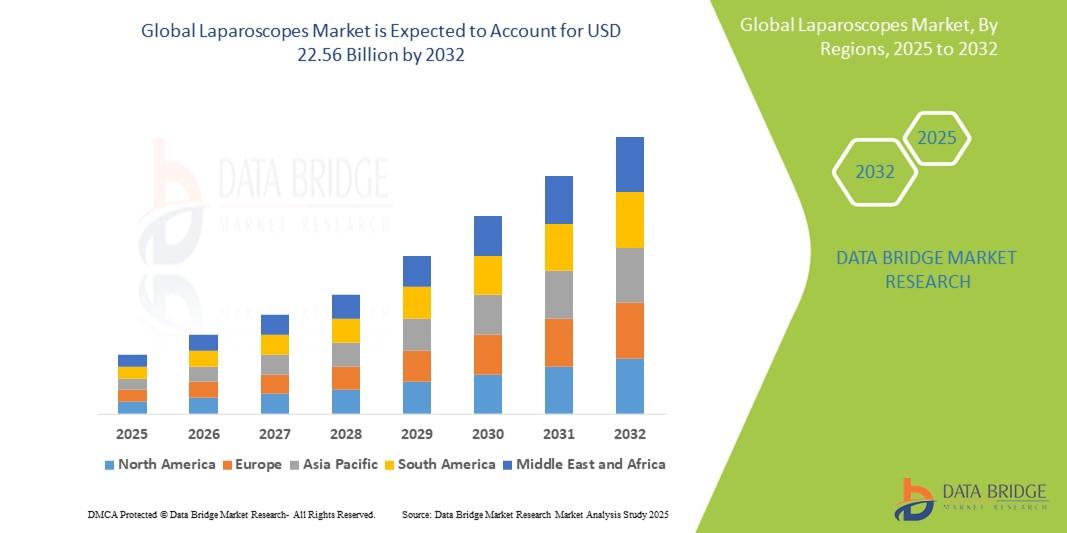
According to the latest report published by Data Bridge Market Research, the Laparoscopes Market The global laparoscopes market size was valued at USD 13.63 billion in 2024 and is expected to reach USD 22.56 billion by 2032, at a CAGR of 6.50% during the forecast period . Market definition mentioned in this Laparoscopes Market document covers the...
As the digital landscape expands, the tape storage market is undergoing a transformative phase, underscored by a robust growth forecast. By 2035, the market is expected to reach approximately $6.535 billion, reflecting a CAGR of 5.82% from a base of $3.508 billion in 2024. This remarkable growth can be attributed to several critical industry trends that are reshaping how organizations approach...