A Strategic Overview of the Dynamic and Ambitious GCC Edtech Industry
The GCC Edtech industry is undergoing a period of unprecedented transformation, evolving from a nascent sector into a strategic pillar for national development across the Gulf Cooperation Council (GCC) region. This rapid maturation is not merely a market trend but a direct consequence of ambitious national vision plans, such as Saudi Arabia's Vision 2030 and the UAE Centennial 2071, which explicitly prioritize the creation of diversified, knowledge-based economies. Governments across the region view educational technology as a critical enabler for cultivating a skilled local workforce, enhancing educational outcomes, and reducing reliance on traditional hydrocarbon-based revenues. The industry is a vibrant ecosystem comprising government-led initiatives, a burgeoning startup scene, a massive private education sector, and increasing investment from both local and international venture capital. This convergence of top-down strategic direction and bottom-up innovation is creating a fertile ground for a new generation of learning platforms, digital content, and pedagogical tools designed to meet the unique needs of a youthful, digitally native population. The goal is no longer just to digitize education but to fundamentally reimagine it for a post-oil future.
The role of government as the primary architect and catalyst of the GCC's Edtech industry cannot be overstated. Unlike in many other regions where Edtech growth is primarily market-driven, in the GCC, governments act as the principal investors, regulators, and customers. They are pouring billions of dollars into building state-of-the-art digital infrastructure for schools and universities, launching national online learning portals, and funding Edtech accelerator programs. Initiatives like Saudi Arabia's "Madrasati" platform, which serves millions of K-12 students, or the UAE's "Mohammed bin Rashid Smart Learning Program" demonstrate a commitment to embedding technology at the core of the public education system. This proactive government involvement de-risks the market for private investors and creates a massive, guaranteed user base for Edtech solutions. Furthermore, by setting policies that encourage digital literacy and mandate the integration of technology in classrooms, these governments are systematically cultivating a sustained demand for Edtech products and services, ensuring the industry's long-term viability and strategic alignment with national goals of human capital development.
Complementing the government's efforts, the region's large and affluent private education sector is a powerful engine of Edtech adoption. The GCC has one of the highest rates of private school enrollment in the world, with parents who are highly engaged and willing to invest significantly in their children's education. These private institutions, which often follow international curricula, are in a constant state of competition to attract students by offering the best possible learning environments. This has made them early and enthusiastic adopters of innovative educational technologies. They are investing heavily in learning management systems (LMS), interactive whiteboards, one-to-one device programs (iPads or Chromebooks for every student), and premium digital content subscriptions. This willingness to spend on cutting-edge tools to enhance learning outcomes and institutional prestige creates a lucrative and sophisticated B2B market for Edtech companies. It also serves as a testing ground for new technologies before they are considered for wider adoption in the public sector, making private schools a critical part of the innovation lifecycle.
The final, and perhaps most dynamic, component of the industry is the burgeoning local startup ecosystem. A new wave of homegrown entrepreneurs is creating Edtech solutions specifically tailored to the linguistic and cultural nuances of the region. Startups like Saudi Arabia's Noon Academy, a social learning platform, and the UAE's Almentor, a video-based professional development platform, have successfully raised significant funding and are scaling rapidly across the Middle East and North Africa (MENA) region. These local players have a distinct advantage in their ability to create high-quality Arabic-language content, a major gap in the market that global providers have been slow to fill. They also have a deeper understanding of the local curriculum and the specific needs of students preparing for regional standardized tests. Supported by a growing network of venture capital funds and government-backed incubators, this vibrant startup scene is injecting competition, innovation, and local relevance into the market, ensuring that the future of GCC Edtech is not just imported but homegrown.
Explore More Like This in Our Regional Reports:
Canada Security Operations Center (SOC) Market
Categorieën
Read More
Streaming Giant Forges Strategic Alliance with Leading Production House Netflix has established a significant partnership with management and production company 42, signing a multi-year first-look agreement covering development, financing, and production of feature films. The collaboration builds upon previous successful joint ventures between the two companies, including projects like "Sand...

Wenn dir aggressive EX-Decks wie Pikachu-EX oder Mewtu-EX in Pokémon TCG Pocket regelmäßig die Siege vermiesen, hast du jetzt eine neue taktische Option: die Promo-Pummeluff aus dem Bisaflor-Drop-Event. Die Karte beherrscht die Attacke „Gesang“, mit der sie gegnerische Pokémon in den Schlaf versetzt – und das kann in den richtigen Händen eine...
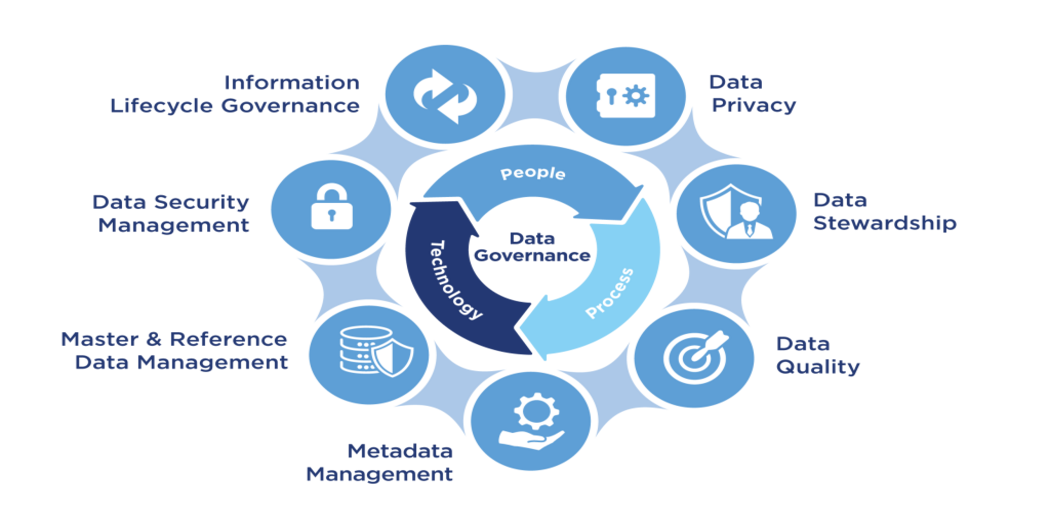
The data governance market is in a state of rapid and profound transformation, evolving from a compliance-driven, IT-led function to a business-centric enabler of digital innovation. To understand where this critical industry is heading, it is essential to monitor the key Data Governance Market Trends that are shaping technology development and enterprise strategies. The most...
Exploring the global Harmonic Drive Market by power range and accuracy, covering low, medium, and high power ranges, as well as standard, high, and ultra-high accuracy categories, with analysis of market dynamics, growth drivers, and future opportunities through 2035. The Harmonic Drive Market segmented by power range and accuracy reveals diverse performance requirements and application...
Let’s be real: by now, you’ve probably heard the legends. The First Sinner isn’t just a boss in Hollow Knight: Silksong — she’s a rite of passage. I still remember my first encounter in 2026, swaggering into the Slab with a fresh needle and zero clue that I was about to get turned into a pincushion. After all, how hard could one hidden boss be? Ha. Oh, sweet summer...