A Comprehensive Breakdown of the Different and Distinct Automotive Software Market Types

The automotive software landscape is not monolithic; it is a complex mosaic composed of several distinct software categories, each with a specialized role in the vehicle's operation. To fully grasp the market, one must understand these different Automotive Software Market Types and how they interact to create a cohesive and functional whole. These types can be broadly classified into several key layers, starting from the code closest to the metal and moving up to the applications the user interacts with. This layered architecture includes firmware and embedded software, middleware and operating systems, and application software for various vehicle domains. Each of these categories represents a significant market in its own right, with its own set of key players, development challenges, and value propositions. The intricate dance between these software types defines the capability, safety, and personality of the modern vehicle, making a detailed segmentation crucial for any market analysis.
At the most fundamental level is the embedded software and firmware. This is the low-level code that runs directly on the dozens, or even hundreds, of Electronic Control Units (ECUs) distributed throughout the vehicle. This software is responsible for the direct control of hardware components. For example, firmware in the engine control unit manages fuel injection and ignition timing, while software in the anti-lock braking system (ABS) controller modulates brake pressure. This category also includes Real-Time Operating Systems (RTOS) like QNX or VxWorks, which are designed for deterministic, safety-critical tasks where precise timing is essential. This software must be incredibly robust, reliable, and efficient, as it often governs the most critical safety functions of the car. The market for this type of software has traditionally been the domain of Tier-1 suppliers who deliver ECUs as black-box solutions to automakers, though this is changing with new vehicle architectures.
Bridging the gap between the low-level hardware control and the high-level user applications is the crucial layer of middleware and the high-level operating system (OS). Middleware provides a standardized set of services and application programming interfaces (APIs) that allow different software components to communicate with each other, regardless of the underlying hardware. This abstraction layer is vital for managing complexity in modern vehicle architectures. The main vehicle OS, such as Android Automotive, Automotive Grade Linux (AGL), or a proprietary system like Mercedes-Benz's MB.OS, orchestrates the entire digital experience. It manages resources for the high-performance computers, runs the digital cockpit, handles connectivity, and provides the platform upon which all other applications are built. This segment of the market is a key battleground, with tech companies and automakers vying for control over this central "brain" of the vehicle.
The most visible software type to the consumer is the application software. This diverse category includes everything the driver and passengers interact with. The largest and most complex part of this is the infotainment system, which includes navigation, media players, radio, and a growing ecosystem of third-party apps for everything from parking to food ordering. Another major application category is the software that enables Advanced Driver-Assistance Systems (ADAS) and autonomous driving. This includes the perception, sensor fusion, and path-planning algorithms that allow the car to "see" its environment and navigate safely. A third key area is connectivity software, which manages the vehicle's connection to the cloud for services like remote start, vehicle tracking, and over-the-air updates. As vehicles become more service-oriented, the application software layer is where automakers have the greatest opportunity to create unique user experiences and generate new, recurring revenue streams.
Top Trending Reports:
Blockchain Identity Management Market
Catégories
Lire la suite
I still remember the first time I heard a 1976 Pontiac Firebird Trans Am 455 HO wake up. It was not a polite little starter motor whine. It was a deep, rattling, carb-fed growl that made the windows in my garage buzz. That was five years ago, and now in 2026, that memory still gives me goosebumps. Because here is the crazy part: this final big-block Pontiac is still shockingly affordable. While...

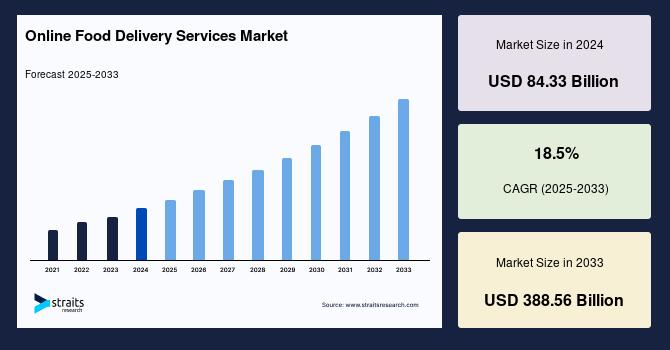
Online Food Delivery Services Market Overview A new report titled “Global Online Food Delivery Services Market Professional Report 2025-2033” has been added by Straits Research to its repository of research reports. The report analyzes and estimates the market on a global, regional, and country level. The report offers data from previous years along with an in-depth analysis from...
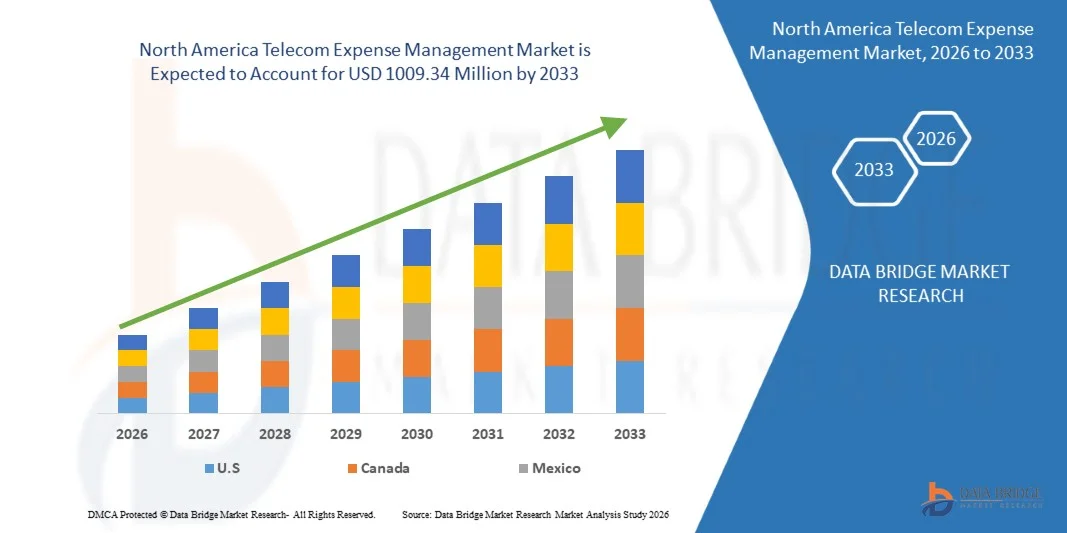
According to the latest report published by Data Bridge Market Research, the North America Telecom Expense Management Market The North America telecom expense management market size was valued at USD 677.97 million in 2025 and is expected to reach USD 1009.34 million by 2033, at a CAGR of 5.10% during the forecast period. Market definition mentioned in...
This August, fans of fantasy cinema will have a special opportunity to revisit a beloved classic as it makes its way onto Netflix's streaming platform. The film that kicks off Peter Jackson’s acclaimed trilogy, based on the iconic novels by J.R.R. Tolkien, is set to be available for viewers worldwide. This initial installment introduces audiences to the enchanting realm of Middle-earth, a...
Netflix is set to bring Nidhi Chanani’s acclaimed graphic novel Pashmina to life through a vibrant new project. This adaptation will be an original computer-generated animated musical that celebrates cultural storytelling and musical artistry. Renowned filmmaker Gurinder Chadha, known for her work on Bend It Like Beckham, will direct this imaginative musical adventure. She is joined by...