Empowering The Connected Worker In The EHS Software Market Environment
The most recent innovation frontier in the EHS Software Market is the concept of the "connected worker," where safety technology is brought directly to the frontline through mobile and wearable hardware. Historically, EHS systems were desktop-bound, with safety data collected via manual entry after an event had already occurred. Today, the industry is pivoting toward real-time field empowerment. By equipping employees with mobile apps, voice-activated interfaces, and wearable sensors, organizations are turning every frontline worker into an active participant in the safety management lifecycle. This shift fundamentally changes the organizational safety dynamic, moving away from centralized control toward decentralized, localized awareness, where information flows bidirectionally between management and the shop floor to prevent incidents before they manifest.
This mobile-first infrastructure enables a level of field-level visibility that was previously impossible. Modern software platforms allow employees to report hazards, view safety documentation, and acknowledge training protocols directly from their mobile devices while on the factory floor or in the field. This capability reduces the lag between hazard identification and management awareness, ensuring that corrective actions are taken immediately. For instance, if a worker identifies a chemical leak, they can snap a photo, upload it with a location tag, and notify the response team instantly through the app. This immediate response capacity is the hallmark of a high-maturity safety culture, effectively collapsing the time-to-mitigation and significantly reducing the risk of a small issue escalating into a serious accident.
Beyond reporting, the "connected worker" trend is being amplified by the adoption of wearable tech that monitors health and environment. From smart vests that track worker heart rate and stress levels to helmets that detect falls and proximity to heavy machinery, the data captured by these devices is seamlessly synced back to the EHS platform. This continuous stream of biometric data allows for a new level of worker-safety management, where management can intervene if a worker is showing signs of heat exhaustion or fatigue. This approach is transforming the EHS platform into a holistic health-monitoring system, ensuring that human performance is optimized within safe parameters, which is particularly vital in heavy industrial environments where the work is both physically demanding and dangerous.
Looking toward the future, the integration of Augmented Reality (AR) will define the next chapter of the connected worker. AR headsets will soon allow safety managers to provide remote, "see-what-I-see" support to frontline workers in the field, guiding them through complex, hazardous maintenance procedures in real-time. This technological advancement ensures that expertise is never a bottleneck, as senior safety engineers can provide guidance from across the globe. As these field-facing tools continue to mature, the EHS software ecosystem will grow increasingly vital, proving that the true value of safety technology lies in how effectively it empowers the individual worker to navigate the inherent risks of their environment.
Top Trending Reports:
Robotic Process Automation In Manufacturing Market
Fleet Maintenance Software Market
Fault Detection And Classification Market
Static Code Analysis Tools Market
Fertigation Control System Market
Cannabinoid Biosynthesi Market
Categorias
Leia mais
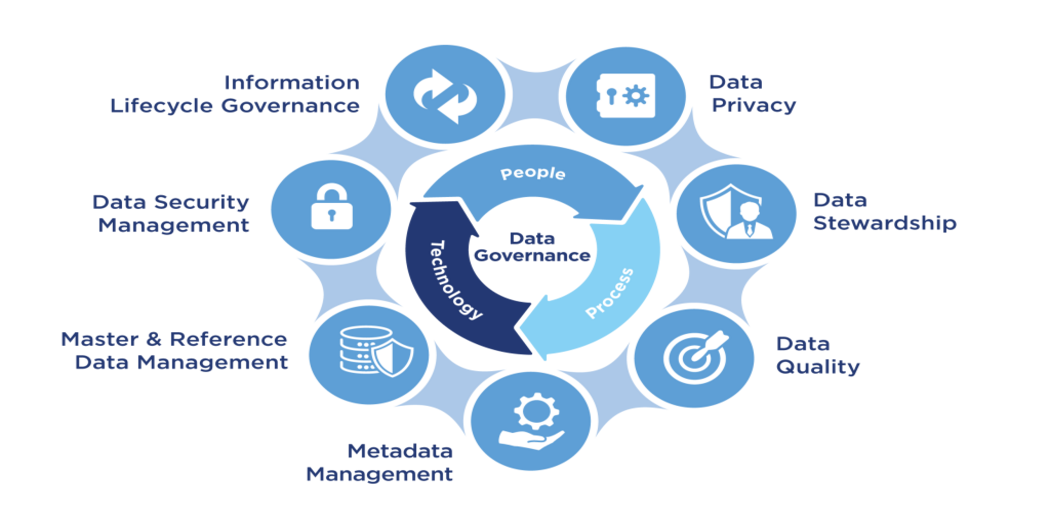
The data governance market is in a state of rapid and profound transformation, evolving from a compliance-driven, IT-led function to a business-centric enabler of digital innovation. To understand where this critical industry is heading, it is essential to monitor the key Data Governance Market Trends that are shaping technology development and enterprise strategies. The most...
Federal agencies have received urgent directives from CISA to address critical vulnerabilities. These flaws, identified as CVE-2025-20362 and CVE-2025-20333, exist in Cisco ASA and Firepower systems. When combined, they permit unauthenticated remote attackers to achieve full device control. Cisco previously noted these were exploited as zero-days against specific 5500-x series devices. The...

The modern US Online Food Delivery Platform is evolving from a simple ordering tool into an intelligent platform that learns consumer preferences and anticipates their needs. Personalization is the driving force behind this transformation, enabling platforms to recommend restaurants, suggest dishes, and offer promotions tailored to individual tastes. This shift is creating significant...
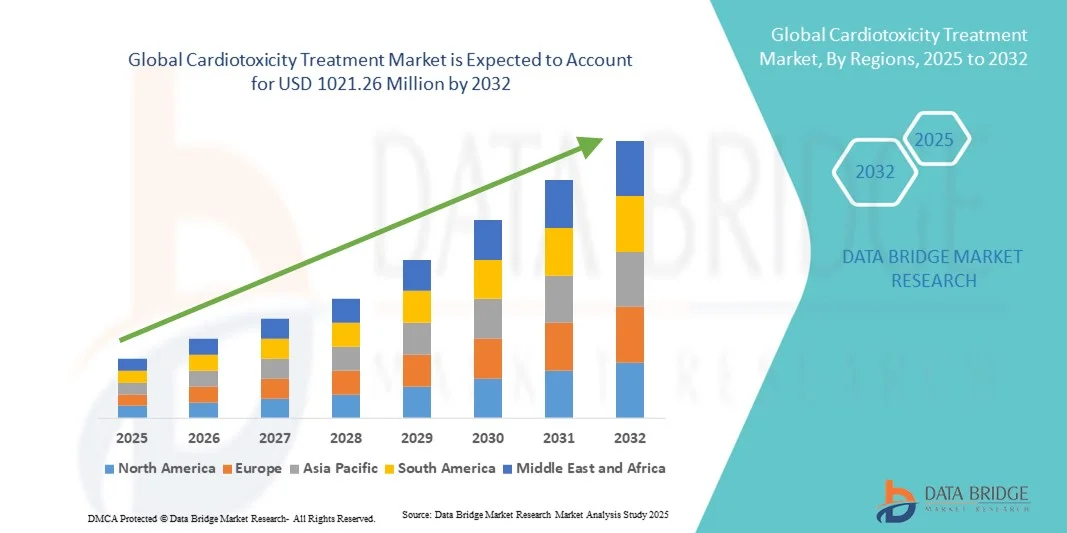
"According to the latest report published by Data Bridge Market Research, the Cardiotoxicity Treatment Market The global cardiotoxicity treatment market size was valued at USD 592.05 Million in 2024 and is expected to reach USD 1021.26 Million by 2032, at a CAGR of 8.10% during the forecast period The wide ranging Cardiotoxicity Treatment Market report provides an overview of the...
According to WiseGuy Reports, the Petroleum Jelly Market serves diverse applications ranging from personal care to industrial lubrication. Petroleum jelly, also known as petrolatum, is a semi-solid mixture of hydrocarbons derived from petroleum. Its unique properties, including moisture retention, lubrication, and protective qualities, make it valuable across multiple industries. What Is...