How Digital Content Identification and Audio and Video Fingerprinting Empower Copyright Protection
The internet democratized content creation and distribution, but it also made copyright infringement easier than ever. A song uploaded to a video platform, a movie clip shared on social media, a television episode posted to a file-sharing service—each represents potential lost revenue for rights holders. Manual identification is impossible at internet scale. Digital Content Identification solves this problem by automating the detection of copyrighted material across billions of files and streams. Rights holders upload reference content; the system fingerprints it; then every new upload is checked against the reference database. When matches occur, rights holders can block, monetize, or track the use of their content.
This automated protection relies on Audio and Video Fingerprinting that generates unique identifiers robust against common transformations. A song played over a video of someone talking, a movie clip with added commentary, a television episode with watermarks—all can be identified despite changes. The fingerprinting algorithm extracts the inherent characteristics of the content that survive these transformations, enabling reliable matching even when content has been modified. For rights holders, this technology has transformed copyright enforcement from a losing battle into a manageable operation.
The Scale of the Copyright Challenge
Understanding digital content identification begins with understanding the massive scale of user-generated content.
Billions of Uploads
Major user-generated content platforms process billions of uploads annually. A single platform might receive thousands of uploads per second at peak times. Manually reviewing even a fraction of these uploads is impossible. Automated identification is the only practical approach.
Millions of Reference Assets
Rights holders have submitted millions of reference assets to identification systems. Every commercial song, every television episode, every movie, every piece of broadcast programming is represented. Maintaining and updating this reference database is a continuous, large-scale operation.
Variations and Transformations
Infringing content rarely appears in its original form. Users crop, speed up, slow down, add filters, overlay commentary, mix with other content, and otherwise transform copyrighted material. Identification systems must recognize content despite these transformations, distinguishing between legitimate use (short clips, commentary, parody) and infringement (full uploads, commercial exploitation).
How Digital Content Identification Works
Digital content identification systems combine fingerprinting with rights management policies.
Reference Ingestion
Rights holders submit reference content to the identification system. A music label might upload every song in its catalog. A television network might upload every episode of every show. A movie studio might upload every film. The system fingerprints each reference asset and stores the fingerprint alongside metadata about the rights holder and their policies.
Upload Fingerprinting
When a user uploads content to a platform, the system generates a fingerprint of the upload. This fingerprinting happens automatically, typically within seconds of the upload completing. The system extracts the same features used for reference content, enabling consistent comparison.
Database Matching
The upload fingerprint is compared against the reference fingerprint database. Efficient indexing enables fast matching even against databases with billions of reference fingerprints. The system returns any matches found, along with confidence scores indicating the likelihood that the match is correct.
Policy Application
When a match is found, the system applies the rights holder's policy. Some rights holders choose to block infringing uploads entirely. Others choose to monetize them, running ads against the content and sharing revenue. Others choose to track viewership without taking action, gathering data for licensing decisions. The policy is applied automatically, without human intervention.
Applications Across Industries
Digital content identification serves diverse industries beyond entertainment.
Music Industry Protection
The music industry was an early adopter of content identification technology. Record labels submit every commercial release to identification systems. When users upload videos containing copyrighted music, labels can monetize those videos, sharing revenue with the platform and the user. This approach transforms infringement from a revenue loss into a revenue opportunity, while still protecting against wholesale distribution of unlicensed music.
Film and Television Protection
Movie studios and television networks protect their content across user-generated platforms. A full episode of a popular show uploaded without permission might be blocked entirely. A short clip used in a commentary video might be allowed but monetized. A user who repeatedly uploads infringing content might face account penalties or legal action.
Publishing and Gaming
Publishing and gaming industries increasingly use content identification for their media assets. An audiobook uploaded without permission, a video game soundtrack used in an unauthorized stream, a comic book read aloud on a video—all can be identified and addressed. As more media moves online, content identification becomes essential for all rights holders, not just music and video.
User-Generated Content Platforms
User-generated content platforms benefit from content identification as much as rights holders do. The technology provides safe harbor protection under laws like the Digital Millennium Copyright Act. Platforms that implement identification systems in good faith are protected from liability for user-uploaded infringing content. Without such systems, platforms would face enormous legal exposure.
Technical Deep Dive
Fingerprint Robustness
The robustness of audio and video fingerprinting determines what transformations the system can tolerate. High robustness means more infringing content is detected, but also more false positives—content incorrectly matched. Low robustness means fewer false positives but also
Categorias
Leia Mais
The global aviation industry's center of gravity is shifting toward the Asia-Pacific region, and with it, the Airspeed Indicator Market is experiencing remarkable growth driven by booming commercial aviation, rising defense expenditures, and significant investments in airport infrastructure. As per Market Research Future, the Airspeed Indicator industry is projected to grow from 1.913...

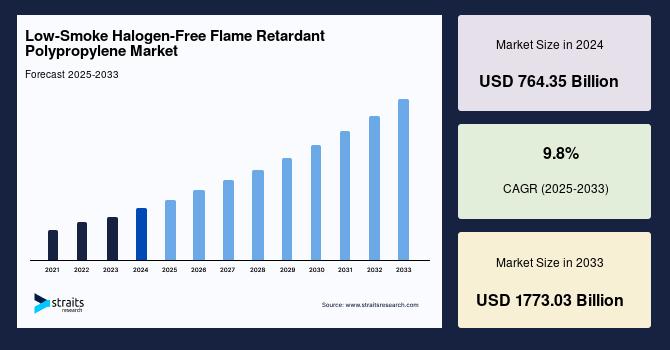
Low-Smoke Halogen-Free Flame Retardant Polypropylene Industry Outlook: Straits Research has introduced a detailed analytical study on the Low-Smoke Halogen-Free Flame Retardant Polypropylene Market, offering insights into market valuation, segmentation framework, and long-term growth trajectory. The publication delivers a structured overview of market drivers, constraints, technological...
Home Life Revival Rediscover the simple pleasures of home life with the return of a beloved series. The new season invites a fresh wave of guests to share in the warmth of connection. Gather inspiration from culinary and creative experts in the comfort of a welcoming space. Explore how to infuse everyday moments with vibrant taste and personal flair. Learn to craft dishes that excite the palate...

Middle East and Africa Dark Fiber Networks Market According to the latest report published by Data Bridge Market Research, the Middle East and Africa Dark Fiber Networks Market The Middle East and Africa Dark Fiber Networks Market size was valued at USD 456.11 million in 2025 and is expected to reach USD 996.84 million by 2033, at a CAGR of 10.3% during...
The trajectory of the US Cognitive Robotics Market is notable for its expected expansion. As of 2024, the market is projected to reach approximately 1.41 billion USD, with forecasts indicating a substantial growth to 3.56 billion USD by 2035, reflecting a compound annual growth rate (CAGR) of 8.76%. This growth is largely attributed to advancements in artificial intelligence and an increasing...