Lightweight Automotive Materials and High-Performance Automotive Polymers: Driving the Future of Vehicle Efficiency

The automotive industry is undergoing a paradigm shift driven by the urgent need to reduce vehicle weight, improve fuel efficiency, and lower emissions. A 10-20% reduction in vehicle weight can boost fuel efficiency by 5-15% and decrease CO₂ emissions by 15-20 g per Km, making lightweight automotive materials essential for meeting increasingly stringent environmental regulations. While traditional materials like steel offer rigidity and durability, they add significant weight to vehicle designs, leading to higher fuel consumption and emissions. The industry is actively exploring advanced alternatives such as aluminum matrix composites and aramid fiber-reinforced polymers (AFRP), which offer high specific strength and impact resistance capabilities.
The shift toward lightweighting is particularly critical for electric vehicles (EVs), where every kilogram saved directly extends driving range. The EV market recorded sales of nearly 25 million units in 2023, with a projected CAGR of 10.9% through 2030, accelerating demand for innovative material solutions. High-performance automotive polymers are emerging as key enablers, replacing metals in structural and semi-structural applications while offering additional benefits such as corrosion resistance, design flexibility, and reduced manufacturing complexity. Aramid fiber-reinforced polymers have demonstrated superior performance in testing, with impact resistance of 153 kJ/m² and tensile strength of 556 MPa, making them highly suitable for critical structural components.
New-generation polymers like Poketone™ are engineered to outperform traditional materials such as Nylon 6/12, PBT, and POM, offering superior impact resistance, outstanding chemical resistance to fuels and automotive fluids, low moisture absorption, and high elastic resilience. These properties make them ideal for demanding applications like EV connector housings, battery plug boards, actuator gears, and fuel pump flanges. Importantly, these high-performance polymers also contribute to sustainability with lower CO₂ emissions and formulations free from harmful substances like formaldehyde, BPA, and phthalates.
The development of bio-based engineering plastics is further enhancing the sustainability profile of lightweight automotive materials. Materials like DURABIO™, derived from plant-based isosorbide with a certified bio-based carbon content exceeding 50%, are being adopted by major OEMs like BMW and Honda for applications ranging from grille surrounds to motorcycle bodywork. These materials offer the best characteristics between conventional engineering plastics, providing good impact strength, scratch resistance, optical clarity, and UV resistance while eliminating the need for costly and polluting post-mould painting. As the automotive industry races towards a future that combines cutting-edge efficiency with first-class green credentials, lightweight automotive materials and high-performance automotive polymers will remain central to innovation.
Categorias
Leia mais
The Recipe Apps Market is on an upward trajectory, boasting a robust compound annual growth rate (CAGR) of 9.57%. As consumer preferences shift towards personalized culinary experiences, the market is anticipated to burgeon from a valuation of USD 5.538 billion in 2024 to a staggering USD 15.14 billion by 2035. This meteoric rise highlights significant changes in consumer engagement and...
The Nordic neurostimulation devices market is witnessing significant growth, fueled by advanced healthcare systems, increasing neurological disorders, and the adoption of innovative neuromodulation therapies. The Nordic neurostimulation devices market size is expected to reach US$ 242.7 million by 2033 from US$ 124.4 million in 2025. The market is estimated to register a...

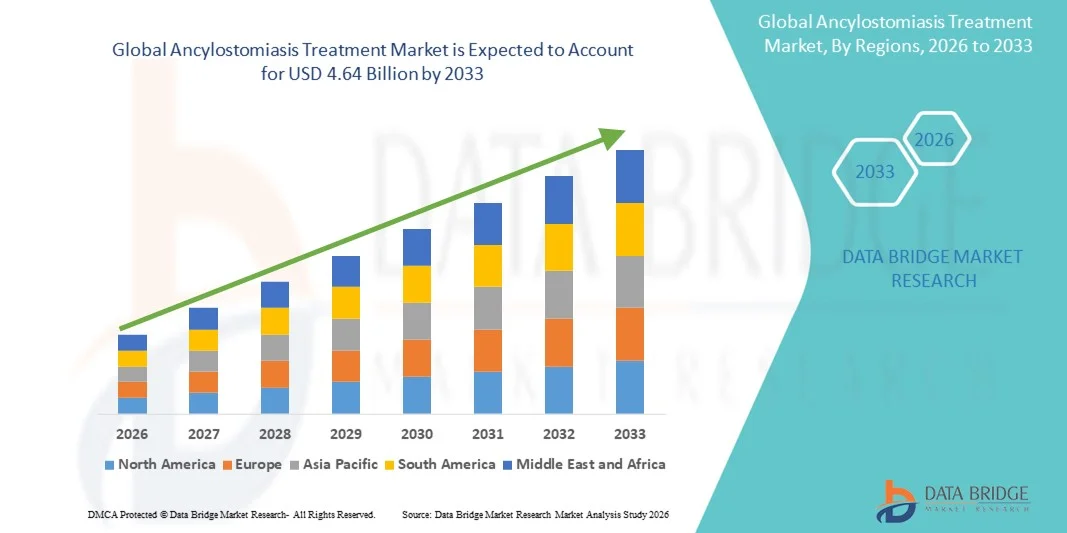
According to the latest report published by Data Bridge Market Research, the Ancylostomiasis Treatment Market The global ancylostomiasis treatment market size was valued at USD 3.34 billion in 2025 and is expected to reach USD 4.64 billion by 2033, at a CAGR of 4.20% during the forecast period. This Ancylostomiasis Treatment Market document...
Netflix Secures Global Distribution Rights for Post-Apocalyptic Series "Snowpiercer" In an exciting development for international viewers, Netflix has acquired the global distribution rights to the upcoming dystopian thriller series "Snowpiercer," excluding the United States and China. The show is scheduled to release globally on the streaming platform in 2019, while U.S. audiences will watch...
A comprehensive Blockchain In Sports Market Analysis reveals a dynamic sector poised for significant expansion driven by licensed collectibles programs, tokenized ticketing, and regulatory clarity in major jurisdictions. Licensed digital collectibles have moved from niche products to mass-market offerings through official league partnerships. These collectibles provide fans with verifiable...