A Closer Look at the Diverse In-Game Advertising Market Types

Dynamic In-Game Ads (DIGA): The Programmatic Powerhouse
The most prevalent and rapidly growing among the In-Game Advertising Market Types is Dynamic In-Game Advertising (DIGA). This category refers to ad placements within a game's environment that can be bought, sold, and updated in real-time through programmatic channels. Think of the virtual billboards in a sports stadium, posters on a city street, or screens in a subway station within a game—all of which can display timely, targeted ad content. The "dynamic" nature of DIGA is its key advantage. Unlike ads that are permanently coded into a game, these placements can be changed at any moment without requiring a software update. This allows advertisers to run current campaigns, such as promoting a weekend movie release or a seasonal sale. It also enables sophisticated targeting based on non-personal data like the player's geographic location, the time of day, or the game's genre, ensuring greater relevance. For game developers, DIGA creates a sustainable, long-term revenue stream from their game's virtual real estate long after its initial launch. The entire ecosystem is managed by specialized ad-tech platforms that provide the software for developers and the programmatic connections for advertisers, making DIGA a scalable, measurable, and highly flexible form of advertising that constitutes the backbone of the modern IGA market.
Static In-Game Ads (SIGA): The Foundation of Brand Integration
Static In-Game Advertising (SIGA) represents the original and a still-relevant type of in-game brand placement. In this model, an advertiser's brand, logo, or product is manually integrated into the game's assets during the development phase. The ad then becomes a permanent part of the game world, unchangeable after the game is released. Classic examples include the branding on a race car in a driving game (e.g., Pirelli tires), the type of sneaker a basketball player wears (e.g., Nike), or the brand of a vending machine in an action game's environment (e.g., Coca-Cola). The primary advantage of SIGA is the potential for deep, authentic integration that enhances the game's realism. When a brand is intrinsically linked to the gameplay or narrative, it can create a powerful and lasting association in the player's mind. The downside, however, is its complete lack of flexibility. The ad cannot be updated, targeted, or easily measured, and the deal requires a significant upfront partnership negotiation between the brand and the game publisher. While the market is heavily trending towards the flexibility of DIGA, SIGA still holds value for brands seeking deep, long-term integrations in blockbuster titles where a permanent association with the game's IP is the main objective.
Advergames and Branded Content: The Pinnacle of Engagement
At the most immersive end of the spectrum are Advergames and deep branded content integrations. An Advergame is a video game created from the ground up with the sole purpose of promoting a particular brand, product, or message. These can range from simple web-based or mobile games (e.g., a fast-food chain creating a game where you assemble burgers) to more complex experiences. The goal is to engage the consumer with the brand in a fun and interactive way for an extended period. Branded content is a related but distinct type, where a brand is woven into the fabric of an existing, popular game. This goes far beyond a simple ad placement. It can involve creating a custom branded "skin" or outfit for a player's avatar, designing an in-game mission around a brand's product, or hosting a major in-game event sponsored by a brand, such as the virtual concerts seen in Fortnite. While these integrations are the most complex and expensive to execute, they offer the highest potential for engagement and cultural impact. They transform the player from a passive ad viewer into an active participant in a brand's story, creating unparalleled levels of brand loyalty and recall. This market type is a high-value niche focused on deep, memorable brand experiences rather than broad, scalable reach.
Rewarded Video and Interstitial Ads: The Mobile Monetization Engine
Primarily dominating the mobile gaming landscape, rewarded video and interstitial ads are a crucial market type that drives billions in revenue. Rewarded video is an opt-in format where players voluntarily choose to watch a short video advertisement (typically 15-30 seconds) in exchange for a specific in-game reward, such as extra lives, premium currency, or a power-up. This "value exchange" model is highly effective because it is non-disruptive and provides a tangible benefit to the player, leading to high completion rates and positive user sentiment. It is the monetization engine for a vast number of free-to-play mobile games. Interstitial ads, on the other hand, are full-screen ads that appear at natural transition points in the game, such as between levels or after completing a mission. While they are not opt-in, their placement during breaks in gameplay makes them less intrusive than ads that interrupt the action mid-flow. Both of these formats are typically served programmatically and are the bread and butter of mobile game monetization networks like Unity Ads, Google AdMob, and AppLovin. Their prevalence and effectiveness in the largest segment of the gaming market (mobile) make them a fundamentally important and high-volume component of the overall in-game advertising industry.
Top Trending Reports:
Categorie
Leggi tutto
For avid Monopoly GO enthusiasts participating in partner events, accumulating event tokens is essential for maximizing rewards. Recently, during the Jedi Partners event, a surprising glitch has emerged that allows players to significantly boost their spins without using any tokens. This clever exploit provides an opportunity to enhance your gameplay and earn more rewards effortlessly. In this...

The Product Security and IT Security Assessment Study market is ready to embark on a transformative journey, with a market size projected to reach USD 20.78 billion by 2035. This growth forecast reflects a remarkable CAGR of 8.49%, driven by escalating concerns over cybersecurity threats. Organizations are increasingly recognizing the need for comprehensive security assessments that evolve...

According to the latest report published by Data Bridge Market Research, the Sustained Release Coating Market The Global Sustained Release Coating Market size was valued at USD 2.41 Billion in 2024 and is expected to reach USD 3.6 Billion by 2032, at a CAGR of 6.50% during the forecast period The wide ranging Sustained Release Coating...
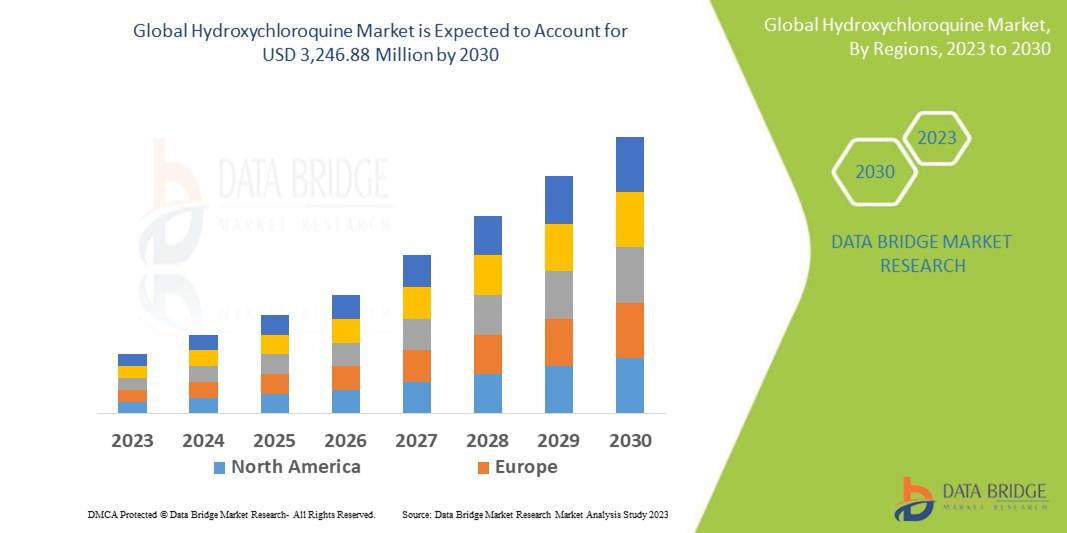
" According to the latest report published by Data Bridge Market Research, the Hydroxychloroquine Market Data Bridge Market Research analyses that the hydroxychloroquine market, which was USD 1,270.86 million in 2022, is expected to reach USD 3,246.88 million by 2030, at a CAGR of 12.44% during the forecast period 2023 to 2030 Hydroxychloroquine Market analysis report has studied...
Thanksgiving Event Overview Get ready for the Whiteout Survival Thanksgiving celebration! This exciting week-long event is packed with diverse activities designed to engage all players, whether you prefer free-to-play or pay-to-win strategies. Although paying players might have an initial advantage, dedicated free players can still unlock impressive rewards through skill and persistence. The...