A Modular Approach to People: Exploring Germany HCM Software Market Types
Core HR: The Indispensable System of Record
The foundational and most essential of the Germany Human Capital Management Software Market Types is Core HR. This category represents the central "system of record" for all employee data and is the bedrock upon which all other HCM functionalities are built. Its primary function is to manage the fundamental employee lifecycle events and ensure administrative and regulatory compliance. In the German context, this is an exceptionally critical and complex module. It includes employee master data management, organizational structure mapping, and benefits administration. Most importantly, it encompasses a sophisticated Payroll engine that must be capable of accurately handling Germany's intricate web of wage tax laws, social security contributions (for health, pension, unemployment, and long-term care insurance), and various other statutory deductions. Given the severe penalties for non-compliance, German businesses demand absolute precision and reliability from their Core HR and payroll systems. This market type is the traditional stronghold of vendors like SAP and DATEV, who have decades of experience in navigating these local complexities, making a robust and localized Core HR module a non-negotiable prerequisite for any vendor wishing to compete seriously in the German market.
Talent Management Suites: The Engine of Strategic HR
This market type represents the strategic layer of HCM, focused on the critical tasks of attracting, developing, and retaining a high-performing workforce. Talent Management Suites are often sold as a set of integrated modules that address the key phases of the talent lifecycle. This typically includes Talent Acquisition, which features Applicant Tracking Systems (ATS), recruitment marketing tools, and candidate relationship management capabilities to streamline the hiring process. The second key module is Performance Management, which provides tools for setting goals, conducting performance reviews, gathering 360-degree feedback, and facilitating continuous performance conversations between managers and employees. The third module, Learning and Development (L&D), encompasses Learning Management Systems (LMS) for delivering and tracking formal training, as well as modern Learning Experience Platforms (LXP) that provide more personalized, "on-demand" learning content. The final module is Succession and Career Development, which helps organizations identify critical roles, build leadership pipelines, and provide employees with tools to map out their career paths within the company. In Germany's talent-scarce market, a powerful and integrated Talent Management suite is seen as a key competitive differentiator for businesses.
Workforce Management (WFM): Optimizing Time and Labor
The Workforce Management (WFM) market type is focused on the operational challenge of managing employee time, labor, and schedules. While relevant to all businesses, it is particularly critical for German industries with large hourly workforces, such as manufacturing, retail, logistics, and healthcare. A comprehensive WFM solution typically includes several key components. The first is Time and Attendance, which provides the tools to accurately track employee working hours, breaks, and overtime, often through physical time clocks, mobile apps, or web-based logins. This data is essential for accurate payroll calculation and ensuring compliance with Germany's strict Working Time Act (Arbeitszeitgesetz). The second component is Absence Management, which automates the process of managing all types of leave, including annual vacation, sick leave, and special leave, ensuring that entitlements are calculated correctly according to company policies and legal requirements. The third, more advanced component is Employee Scheduling or Rostering, which uses algorithms to create optimized work schedules that ensure adequate staffing coverage while adhering to labor rules, union agreements, and employee preferences. An effective WFM solution directly impacts labor costs, productivity, and compliance, making it a high-value category.
Integrated HCM Suites vs. Best-of-Breed Point Solutions
A final way to categorize the market is by the overall solution architecture: Integrated HCM Suites versus Best-of-Breed Point Solutions. An Integrated HCM Suite, offered by vendors like SAP (SuccessFactors), Workday, and Personio, aims to provide a single, unified platform that covers most or all of the aforementioned market types—from Core HR and payroll to talent and workforce management. The primary value proposition of a suite is a seamless user experience, a single data model which eliminates integration headaches, and consolidated reporting and analytics across the entire employee lifecycle. This is the dominant trend in the market. In contrast, the Best-of-Breed approach involves a company selecting what they believe to be the very best individual software for each specific function, regardless of the vendor. For example, a company might use a leading German payroll provider for Core HR, but then choose a specialized, best-in-class Applicant Tracking System from a different vendor for recruitment. While this approach can provide deeper functionality in specific areas, it introduces the complexity and cost of integrating and maintaining multiple different systems. The choice between these two types often depends on the size, complexity, and IT strategy of the individual German business.
Top Trending Reports:
Kategorien
Mehr lesen
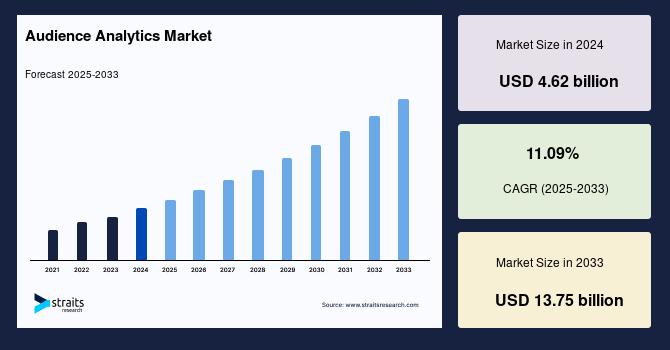
Audience Analytics Market Overview A new report titled “Global Audience Analytics Market Professional Report 2025-2033” has been added by Straits Research to its repository of research reports. The report analyzes and estimates the market on a global, regional, and country level. The report offers data from previous years along with an in-depth analysis from 2025 to 2033 on the...
Durin: Versatile Team Player Acquiring new 5-star limited characters in Genshin Impact often excites players. Some are drawn to these characters for their visual appeal and design, while others focus on their unique gameplay and abilities. For those aiming to optimize their team compositions, a character must bring valuable skills or synergy to be considered a worthy addition. When it comes to...

The gripping saga of Emilia Urquiza will continue. Netflix has officially greenlit a second season of its original series 'Ingobernable'. This renewal follows the global audience's deep investment in Kate del Castillo's portrayal of the First Lady. Her fight for justice and the complex web of political intrigue left viewers demanding answers. The new season is slated to premiere in 2018,...
In a groundbreaking move for teen-focused content, Netflix has announced the production of "Sex Education," an innovative dramedy series exploring the complexities of adolescent sexuality and relationships. The show will begin filming in the UK during spring 2018 and is slated for global release in 2019. The series centers on Otis Thompson, an awkward teenager with an unusual...
The global 3D printing metal market is experiencing unprecedented growth, estimated at 8.9 USD Billion in 2024 and projected to reach 63.7 USD Billion by 2035, exhibiting a remarkable CAGR of 19.60% . This exponential expansion reflects the transformative impact of metal additive manufacturing on modern production processes. Unlike traditional subtractive manufacturing, which removes...