The Foundational and Evolving Role of the Sales Force Automation Industry

Automating the Art of Selling for Strategic Advantage
Sales Force Automation (SFA) represents the technological backbone of virtually every modern sales organization, providing a suite of software tools designed to streamline, automate, and optimize the entire sales process. Far more than a simple digital Rolodex, the core purpose of the Sales Force Automation industry is to eliminate the burdensome, time-consuming administrative tasks that have historically bogged down sales representatives, thereby freeing them to focus on what they do best: building relationships and closing deals. SFA systems act as a centralized command center for all sales-related activities, from initial lead capture and contact management to opportunity tracking and sales forecasting. By creating a single, unified source of truth for all customer interactions and pipeline data, these platforms empower sales teams with the information they need to engage with prospects more effectively and provide managers with unprecedented visibility into their team's performance. In an increasingly competitive and data-driven business environment, SFA has evolved from a "nice-to-have" efficiency tool into a non-negotiable strategic imperative, essential for achieving scalable revenue growth, operational excellence, and a sustainable competitive edge in the marketplace.
The Core Pillars of a Modern SFA Platform
A comprehensive Sales Force Automation solution is built upon several interconnected modules that work in concert to manage the end-to-end sales cycle. The foundational pillar is Contact and Account Management, which serves as the central repository for all information about customers and prospects, including contact details, communication history, and key relationships, creating a 360-degree view of every account. Building on this is Lead Management, which automates the process of capturing, tracking, and nurturing new leads from various sources like web forms and marketing campaigns, ensuring that no potential opportunity falls through the cracks. The most critical component for most sales teams is Opportunity and Pipeline Management. This module allows representatives to track the progress of individual deals through various sales stages, from initial qualification to final closing. It provides a visual representation of the entire sales pipeline, enabling both reps and managers to identify bottlenecks, prioritize efforts, and focus on the deals most likely to close. Finally, Sales Forecasting tools leverage historical data and current pipeline information to generate more accurate predictions of future sales revenue, allowing for better business planning, resource allocation, and quota setting across the organization.
From Desktop Contact Managers to Intelligent Cloud Platforms
The evolution of Sales Force Automation software mirrors the broader journey of enterprise technology over the past several decades. The earliest iterations in the late 1980s and early 1990s were simple, desktop-based contact management systems that helped individual salespeople organize their customer information. The client-server era of the late 90s saw the emergence of more integrated, team-based SFA systems, but these were often complex, expensive, and difficult to maintain. The true revolution arrived with the advent of cloud computing and the Software-as-a-Service (SaaS) model, pioneered by companies like Salesforce. Cloud-based SFA shattered the old paradigm, eliminating the need for costly on-premises hardware and shifting the financial model from a large upfront capital expenditure to a predictable operational subscription. This made powerful SFA technology accessible to businesses of all sizes. The subsequent mobile revolution further untethered sales reps, giving them access to critical customer data and sales tools on their smartphones and tablets from anywhere in the world. Today, the latest evolutionary step is the infusion of artificial intelligence, transforming SFA from a passive system of record into an intelligent, proactive partner in the sales process.
The Strategic Importance of a Standardized Sales Process
Beyond the immediate benefits of individual productivity, the strategic value of an SFA system lies in its ability to institutionalize and enforce a standardized sales process across the entire organization. By defining a consistent set of sales stages, criteria, and activities within the SFA platform, a company ensures that every sales representative is following the same proven methodology. This standardization has profound benefits. It creates a common language for discussing deals, making pipeline reviews more efficient and objective. It simplifies the onboarding and training of new sales hires, as the SFA system itself acts as a guide to the company's way of selling. Most importantly, it generates clean, structured, and consistent data. When everyone is tracking opportunities in the same way, the data collected is far more reliable and valuable for analysis. This allows sales leadership to accurately compare the performance of different teams, identify best practices from top performers, and make data-driven decisions about sales strategy, territory alignment, and coaching priorities. In essence, an SFA system transforms sales from a disparate collection of individual efforts into a disciplined, scalable, and measurable business operation.
Explore More Like This in Our Reports:
الأقسام
إقرأ المزيد
In August, the Netflix ISP Speed Index revealed notable shifts in streaming performance across various regions. Thailand experienced a positive change as TOT advanced two places, securing the fourth position with an average speed of 2.95 Mbps, up from July's 2.64 Mbps. This improvement coincides with the merger of Triplet and 3BB under the 3BB brand, potentially enhancing service quality....

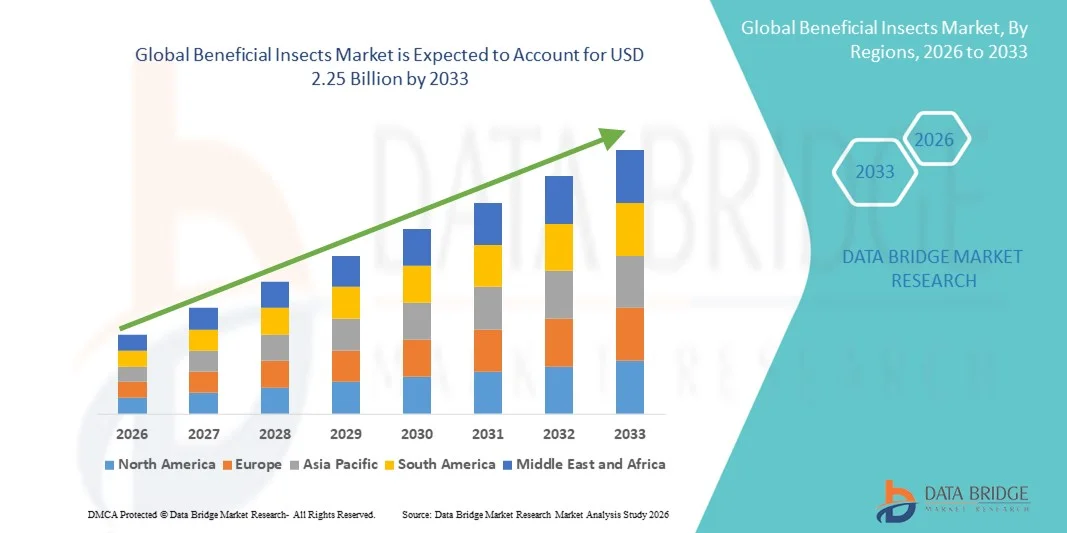
According to the latest report published by Data Bridge Market Research, the Beneficial Insects Market The global beneficial insects market size was valued at USD 1.03 billion in 2025 and is expected to reach USD 2.25 billion by 2033, at a CAGR of 10.20% during the forecast period. This Beneficial Insects Market research report is prepared with...
The Electronic Endoscopic Instruments Professional Market is gaining traction through the growing use of therapeutic endoscopy. Modern endoscopic platforms increasingly support interventions such as tissue removal, hemostasis, dilation, and other procedures alongside conventional diagnostic examinations. The Electronic Endoscopic Instruments Professional Market size is expected to reach US$...
Imagine receiving a call warning that your electricity or water service will be disconnected unless you settle an overdue bill immediately. You might be caught off guard, thinking you don't owe anything, but the caller sounds urgent and convincing. For small business owners, the threat of losing utility service can feel overwhelming and impossible to ignore. However, it's crucial to remain...
Have you ever spent an entire evening chasing a random drop in Hollow Knight: Silksong, only to watch your prize tumble into a spike pit? That was me with the Fine Pins quest in 2026. As a wanderer in Pharloom, I thought I had seen every annoying enemy the Citadel could throw at me. Then I met the pin-wielding choirbugs, and I learned that patience is not just a virtue here. It is a farming...