A Diverse Toolkit: Exploring the Different Enterprise Mobile Application Development Platform Market Types

The enterprise mobile application development platform (MADP) market is a diverse and dynamic space, with various types of platforms catering to different development philosophies, organizational needs, and technical skill levels. To navigate this landscape, it's crucial to understand how to classify these different offerings. A primary way to segment the Enterprise Mobile Application Development Platform Market Types is by the development approach and the level of coding required. At one end of the spectrum are high-code or code-intensive platforms. These platforms are designed for professional developers and provide a powerful, flexible environment for building complex, high-performance applications. They often use standard programming languages (like JavaScript, C#, or Java) and provide extensive APIs and tools for deep customization and integration. While they offer the most control and flexibility, they also require skilled developers and a longer development cycle. These platforms are ideal for building mission-critical, high-scale customer-facing apps or complex employee applications that require unique functionality not available in more restrictive platforms. This segment prioritizes power and control for the professional development team.
The Dominance of Low-Code Development Platforms
Occupying the vast and rapidly growing middle ground are low-code development platforms. This market type has become almost synonymous with the modern MADP. Low-code platforms are designed to dramatically accelerate application development by replacing as much hand-coding as possible with visual, model-driven techniques. They provide a graphical interface with drag-and-drop components for building user interfaces, visual workflows for defining business logic, and pre-built connectors for easy data integration. This visual approach allows for rapid prototyping and iterative development. While they are designed to be accessible to a broader range of users, including business analysts, they still provide "escape hatches" that allow professional developers to write custom code to handle complex logic or create unique UI components when needed. This combination of speed for the simple parts and flexibility for the complex parts makes low-code platforms incredibly powerful and versatile. They aim to strike the perfect balance between development speed and enterprise-grade capability, making them the preferred choice for a wide range of departmental and enterprise-wide business applications.
The Rise of No-Code Development Platforms
At the other end of the spectrum are no-code development platforms. As the name suggests, this market type is designed for users with absolutely no coding experience—the true "citizen developers" within business departments like HR, marketing, or finance. These platforms are even more abstract and template-driven than their low-code counterparts. The focus is entirely on simplicity and speed for a specific set of use cases. A user can typically select a pre-built template (e.g., for an event registration app or a simple approval workflow), customize it with their own branding and fields through a simple wizard-like interface, and deploy it in minutes, all without writing a single line of code. The trade-off for this simplicity is a lack of flexibility. No-code platforms operate within a "walled garden" of pre-defined capabilities; if the feature you need isn't offered by the platform, you generally cannot add it. They are ideal for creating simple, non-mission-critical departmental apps, forms, and automated workflows, helping to clear the backlog of small IT requests and empower business users to solve their own immediate problems.
Classification by Deployment Model and Platform Scope
Beyond the coding paradigm, the market can also be segmented by deployment model and scope. In terms of deployment, platforms can be cloud-based (PaaS - Platform-as-a-Service), which is the most common model, where the entire development and runtime environment is hosted and managed by the vendor. Some vendors also offer a private cloud or on-premises deployment option for organizations with strict data residency or security requirements. In terms of scope, we can differentiate between standalone MADPs and integrated platform players. Standalone MADPs are from vendors whose primary or sole focus is on providing a mobile and multi-experience development platform. Their main selling point is the depth and quality of their development tools. In contrast, integrated platform players are large enterprise software giants (like Microsoft, Salesforce, or SAP) who offer a development platform as part of a much broader ecosystem of SaaS applications (CRM, ERP) and cloud infrastructure (IaaS). For customers already heavily invested in that ecosystem, the integrated MADP offers the key advantage of seamless data access and a unified identity and security model, even if its development features are not always as advanced as the standalone specialists.
Top Trending Reports:
Categorii
Citeste mai mult
Stepping into the vibrant heart of Seoul, the enduring legacy of PUBG is palpable. Far beyond its battle royale origins, it has woven itself into the cultural fabric of South Korea. While Fortnite commands attention in Western markets, here, PUBG reigns supreme as a cultural titan. The game's evolution is a strategic pivot. It is expanding into a multifaceted platform, with ambitious projects...

Recent revelations have shed light on the strict conditions imposed on content creators involved with Marvel Rivals. Reports indicate that those granted early access to the game were required to sign agreements prohibiting them from posting any negative reviews or engaging in discussions that could harm the game's reputation. Additionally, the contracts barred creators from comparing Marvel...
The North America digital dental X-ray market is expanding steadily, supported by widespread adoption of digital dentistry, advanced healthcare infrastructure, and increasing demand for accurate diagnostic imaging. Rising oral health awareness, growing investments in modern dental technologies, and the presence of leading dental equipment manufacturers are contributing to the region's continued...
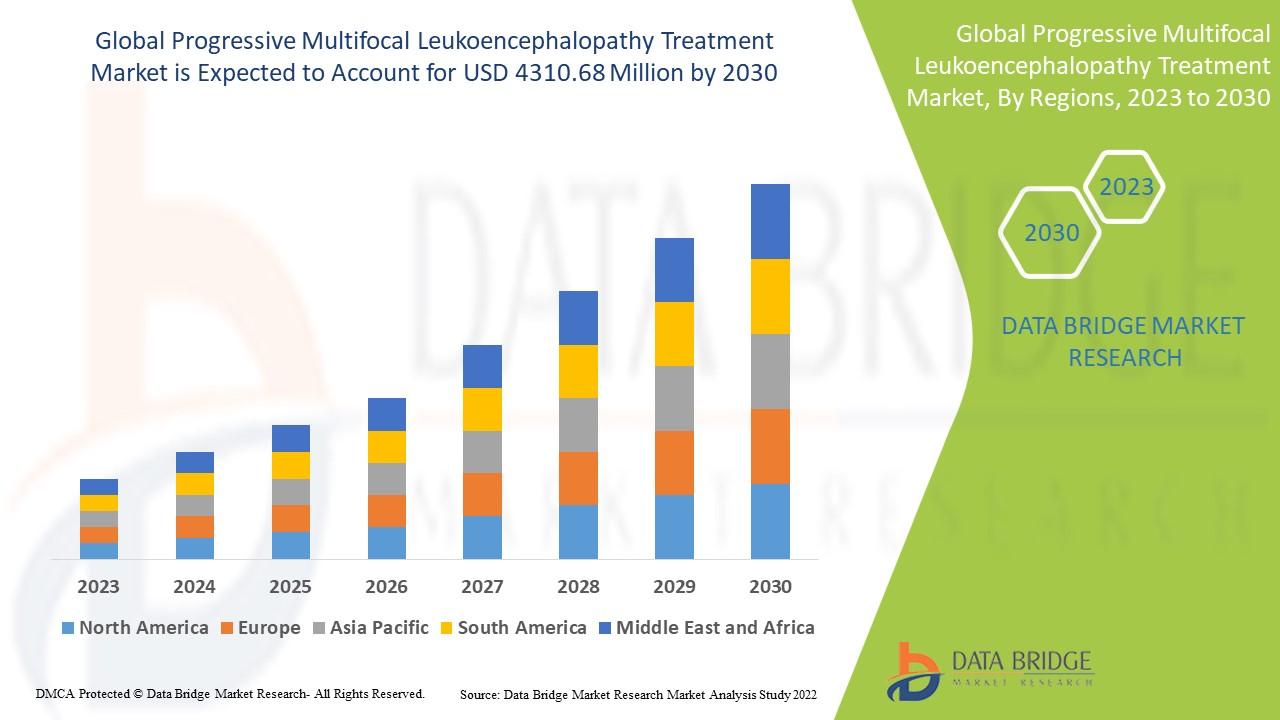
"According to the latest report published by Data Bridge Market Research, the Progressive Multifocal Leukoencephalopathy Treatment Market The expected CAGR of progressive multifocal leukoencephalopathy treatment market is tend to be around 16.4% in the mentioned forecast period. Winning Progressive Multifocal Leukoencephalopathy Treatment Market research report is a persuaded...
The global Data Science Platform Market growth is expanding rapidly as organizations increasingly invest in artificial intelligence, predictive analytics, and machine learning technologies to improve decision-making and operational efficiency. Businesses across healthcare, finance, retail, manufacturing, and telecommunications sectors are adopting advanced data science platforms to analyze...