A Taxonomy of Solutions: Deconstructing the Different Health Cloud Market Types

Infrastructure-as-a-Service (IaaS): The Foundational Layer
The most fundamental of all Health Cloud Market Types is Infrastructure-as-a-Service (IaaS). In this service model, cloud providers like AWS, Microsoft Azure, and Google Cloud offer the basic building blocks of computing in a HIPAA-compliant environment. This includes virtual servers (compute), scalable storage (for files, objects, and block storage), and secure networking capabilities. The primary use case for IaaS in healthcare is the "lift and shift" migration of existing on-premises applications and infrastructure to the cloud. A hospital, for example, can move its entire on-premises data center, including its legacy Electronic Health Record (EHR) system, to run on virtual machines in the cloud. The key benefits are a shift from capital to operational expenditure, enhanced scalability to handle growing data volumes, and offloading the physical management of hardware. With IaaS, the healthcare organization is still responsible for managing the operating systems, the applications, and the data, but the underlying physical infrastructure is fully managed by the cloud provider. It is the essential foundation upon which almost all other health cloud services are built, providing the raw power and scalability for digital transformation.
Platform-as-a-Service (PaaS): The Innovation and Development Engine
Platform-as-a-Service (PaaS) represents the next level of abstraction and is a market type focused on enabling innovation and rapid application development. A health-focused PaaS provides developers with a complete platform—including operating systems, databases, analytics engines, and application runtimes—that is specifically designed and configured for healthcare workloads. A key feature of a modern health PaaS is the inclusion of specialized APIs and services for handling healthcare data. For example, a PaaS might offer a managed FHIR (Fast Healthcare Interoperability Resources) server, which simplifies the process of storing and exchanging clinical data in a standardized format. It might also include pre-built, HIPAA-compliant AI and machine learning services for tasks like natural language processing on clinical notes or analyzing medical images. By providing these ready-made building blocks, PaaS allows developers at hospitals, startups, and life sciences companies to build, test, and deploy new, sophisticated healthcare applications much more quickly and without having to worry about managing the complex underlying infrastructure or building core healthcare data services from scratch. It is the key enabler for creating the next generation of digital health tools.
Software-as-a-Service (SaaS): The End-User Application Layer
Software-as-a-Service (SaaS) is the largest and most diverse market type, encompassing a vast array of ready-to-use applications that are delivered directly to healthcare end-users over the internet on a subscription basis. This is the layer that most clinicians, administrators, and patients interact with directly. The SaaS category can be broken down into several major sub-types. Clinical SaaS includes fully cloud-based EHR/EMR systems, practice management software, e-prescribing services, and telehealth platforms. Administrative SaaS includes cloud-based solutions for hospital management, revenue cycle management, medical billing and coding, and workforce management. Patient-Facing SaaS includes patient portals, mobile health and wellness apps, and tools for scheduling appointments and communicating with care teams. A prime example of a specialized SaaS platform is the Salesforce Health Cloud, which is a CRM system tailored for patient relationship management. The key characteristic of SaaS is its simplicity for the end-user; the provider manages the entire technology stack, from the infrastructure to the application itself, delivering a turnkey solution that requires only a web browser or a mobile app to access.
Clinical Data Platforms (CDP): The Central Intelligence Hub
A fourth, and increasingly critical, market type is the Clinical Data Platform (CDP), sometimes referred to as a healthcare data lake or data fabric. This type of solution focuses specifically on the challenge of aggregating, normalizing, and analyzing the vast and disparate data sources within a health system. A CDP is designed to ingest data from a multitude of sources—including various EHR systems, laboratory information systems (LIS), radiology information systems (RIS), claims data from payers, and even data from remote monitoring devices. The platform then cleans, de-duplicates, and transforms this data into a unified, longitudinal record for each patient, often stored in a common data model like FHIR or OMOP. This centralized, high-quality data repository then serves as the "single source of truth" for a variety of downstream applications. It powers the advanced analytics needed for population health management, provides the rich datasets required to train clinical AI models, and enables complex queries for clinical research. This market type is the essential intelligence hub that turns a health system's fragmented data from a liability into a strategic asset.
Top Trending Reports:
Categorias
Leia Mais
Progression et stratégies des personnages Le lancement du deuxième cycle de l'événement « Forger son caractère et son chemin » marque une nouvelle étape importante. Il est temps de sélectionner une nouvelle Stella Fortuna. Pour certains joueurs, la décision est rapide : ils optent pour leur personnage favori ou cherchent...

The DNA Sequencing Electrophoresis System Market is witnessing steady growth as genomic research, molecular diagnostics, and precision medicine continue to gain importance across healthcare and life sciences. Increasing investments in biotechnology research, advancements in sequencing technologies, and rising demand for accurate genetic analysis are encouraging the adoption of advanced...
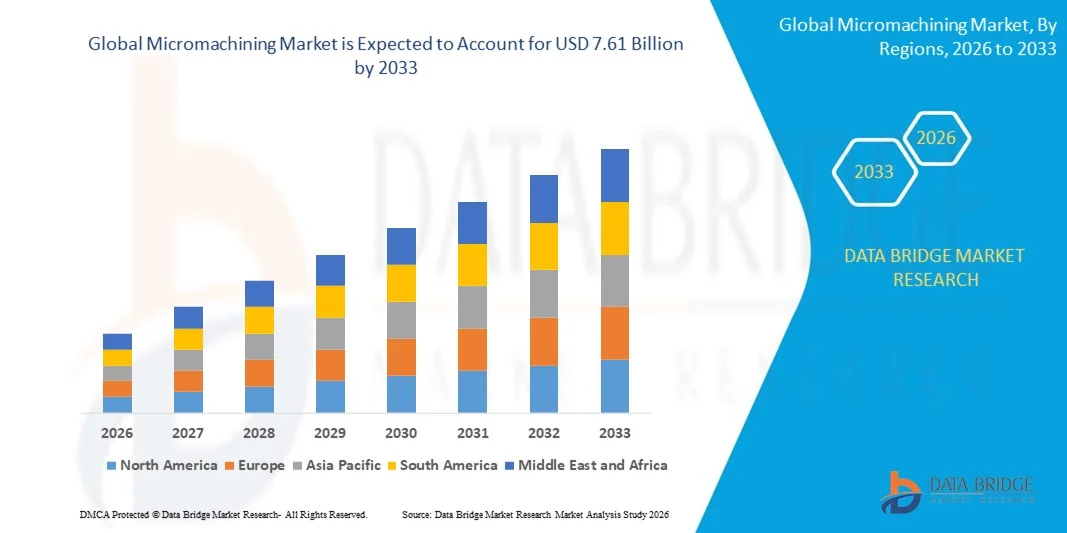
According to the latest report published by Data Bridge Market Research, the Micromachining Market The global micromachining market size was valued at USD 4.37 billion in 2025 and is expected to reach USD 7.61 billion by 2033, at a CAGR of 7.18% during the forecast period. With a full devotion and commitment, the best feasible service and...
The UK construction software market is on the cusp of another wave of innovation, with several powerful trends poised to move the industry beyond BIM and into an era of truly intelligent construction. A forward-looking view of the most impactful UK Construction Software Market Trends reveals a clear shift towards predictive technologies, sustainability, and offsite manufacturing. The...

The increasing demand for skilled pilots and the expanding application scope are pivotal forces shaping the Helicopter Simulator market. As per Market Research Future, the pilot training segment holds the largest market share, driven by the critical need for safe, efficient, and cost-effective training solutions. The Helicopter Flight Training Market is essential for meeting...