Hydroponic Fertilizers Market: Water-Soluble Mineral Salts, Chelated Micronutrients, and High-Yield Crop Formulations

Analyzing hydroponic fertilizers, detailing nitrate and phosphate formulations, chelated micronutrient chemistry, fertigation delivery loops, and market growth forecasts through 2035.
The Hydroponic Fertilizers Market encompasses the specialized segment of fully soluble mineral salts, liquid concentrates, and elemental blends engineered specifically for soil-less crop production. Unlike traditional soil fertilizers that rely on soil microbes to break down complex compounds, hydroponic fertilizers deliver immediately bio-available ions (such as $\text{NO}_3^-$, $\text{NH}_4^+$, $\text{H}_2\text{PO}_4^-$, and $\text{K}^+$) directly to plant root zones. Valued as an essential foundation within the broader hydroponic nutrients industry forecast to reach 4.65 billion USD by 2035 from 2.30 billion USD in 2025 at a 7.32% CAGR, specialized hydroponic fertilizers represent a high-growth agricultural inputs category. Two-part (A/B) liquid formulations and multi-component water-soluble dry salts hold dominant market positions across commercial greenhouses due to their ability to prevent chemical precipitation when calcium and phosphate are stored in concentrated stock tanks. Leading fertilizer developers driving innovation include Masterblend International, Yara International, Israel Chemicals Ltd. (ICL), Haifa Group, and General Hydroponics.
Commercial produce growers, medicinal plant cultivators, and vertical farm operators depend on high-grade hydroponic fertilizers to maintain precise control over vegetative growth and flowering phases. In high-density indoor lettuce and tomato operations, shifting the nitrogen-to-potassium ratio during specific growth stages dictates leaf expansion, fruit set, and sugar accumulation. The accelerated commercial deployment across Hydroponic Fertilizers Market inputs reflects a industry-wide transition toward crop-specific nutrient regimes tailored for leafy greens, fruiting vegetables, and culinary herbs. Crop nutritionists select high-purity fertilizer salts free from heavy metals, sodium, and chloride to prevent root burn and preserve soil-less media structure.
Engineering advancements in hydroponic fertilizer manufacturing focus on advanced micronutrient chelation, pH-buffered nutrient formulations, and eco-friendly packaging. Micronutrients such as iron ($\text{Fe}$), manganese ($\text{Mn}$), and zinc ($\text{Zn}$) readily precipitate out of solution at elevated pH levels. Utilizing synthetic and organic chelating agents—such as EDTA, DTPA, and EDDHA—keeps metallic micronutrients fully soluble and available across broad pH ranges ($5.5\text{ to }7.0$). Furthermore, dry water-soluble fertilizer powders packaged in recyclable moisture-barrier bags reduce transport shipping weight and carbon emissions compared to heavy liquid totes.
The strategic trajectory of the hydroponic fertilizers sector is supported by rising investments in commercial indoor vertical farms, greenhouse technology upgrades, and strict food safety compliance laws. Commercial indoor growers operating in cold climates utilize controlled fertigation to produce fresh tomatoes, cucumbers, and berries year-round. By 2035, primary technological frontiers will center on bio-assimilable organic chelates, customized micro-dosing nutrient packs for automated home gardens, and zero-waste fertilizer synthesis using captured industrial nitrogen and phosphorus. Backed by continuous agricultural chemistry advances, solutions across Plant Growth Nutrients will continue to drive soil-less crop productivity
Access detailed findings to navigate market complexities:
Categorie
Leggi tutto
The Multi Antenna Technology Market Growth is being propelled by the increasing demand for high-speed connectivity and the integration with IoT and smart devices. This growth is a direct response to the need for faster data transmission rates, improved signal quality, and reliable communication across a growing number of connected devices. Businesses and consumers alike are investing heavily in...

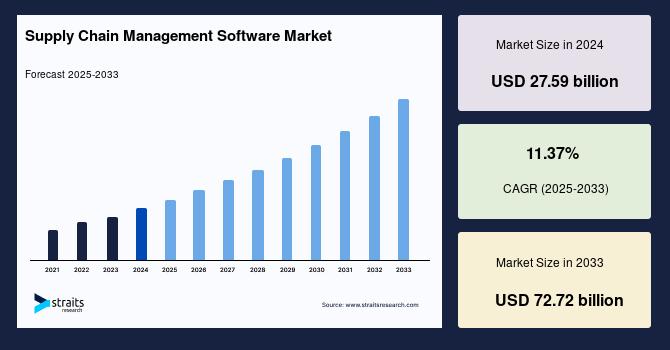
Supply Chain Management Software Industry Outlook: Straits Research has introduced a detailed analytical study on the Supply Chain Management Software Market, offering insights into market valuation, segmentation framework, and long-term growth trajectory. The publication delivers a structured overview of market drivers, constraints, technological advancements, and strategic developments...
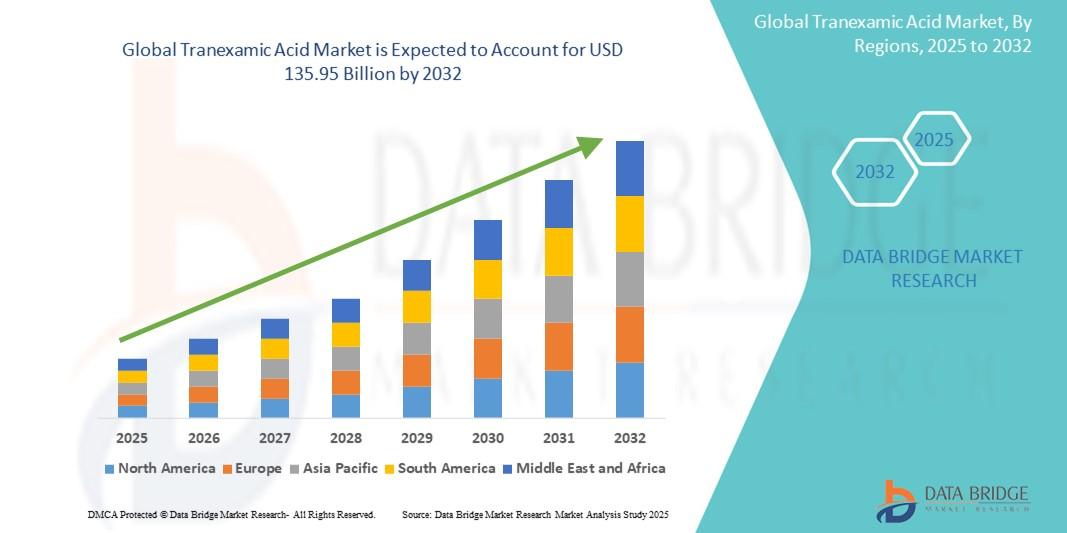
According to the latest report published by Data Bridge Market Research, the Tranexamic Acid Market The global tranexamic acid market size was valued at USD 86.59 billion in 2024 and is expected to reach USD 135.95 billion by 2032, at a CAGR of 5.80% during the forecast period. Competitive analysis carried out in the credible Tranexamic Acid...
The latest Valorant update, patch 10.08, primarily focuses on bug fixes and quality of life improvements, with only a handful of balance changes. Notably, Yoru's ultimate ability has been significantly nerfed to reduce its effectiveness in gathering intel and surprising opponents. Historically, Yoru struggled in high-level gameplay and was rarely picked in professional matches, owing to his...
Update Highlights Funcom has released a significant update for Dune: Awakening, reflecting their commitment to player feedback with a variety of changes and improvements. The developers previously expanded the PvE area in the deep desert from 10% to 50% of the map and addressed player concerns about the endgame PvP experience, which some criticized as toxic due to griefing tactics. Although...