A Segmented Deep-Dive: A Strategic Analysis of the Global NFT Market
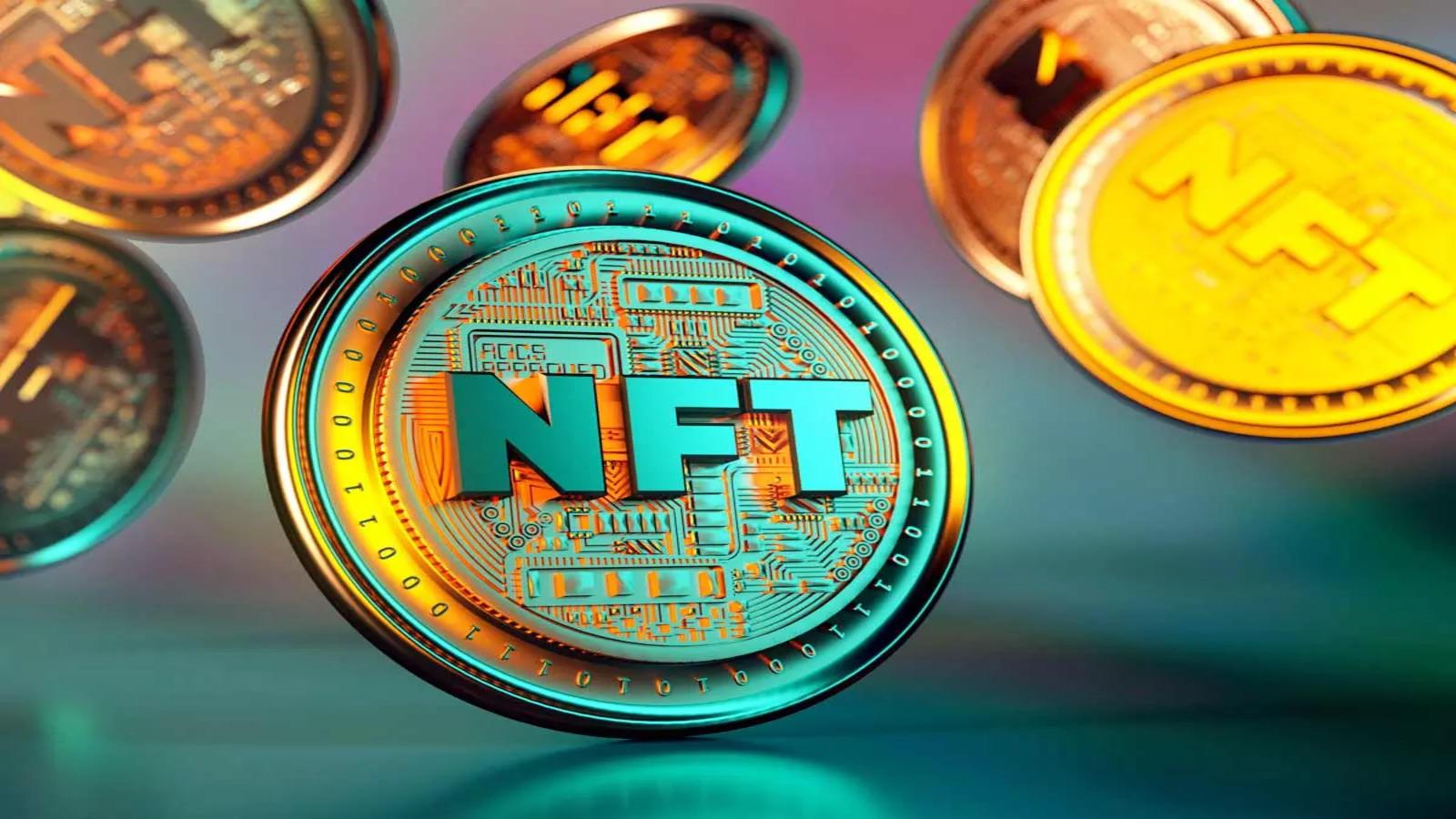
To truly comprehend the complex and often chaotic world of Non-Fungible Tokens, a granular NFT Market Analysis is essential. The market is not a single, homogeneous entity but a collection of distinct and overlapping sub-markets, each with its own unique dynamics, participants, and valuation metrics. By segmenting the market by core categories like art, collectibles, and gaming, and also by the underlying blockchain technology, we can move beyond the headline-grabbing sales figures to understand the diverse forces at play. This segmented analysis helps to identify which sectors are driven by speculation versus utility, where the most innovation is occurring, and how the technological infrastructure is shaping the market's evolution. For investors, creators, and businesses looking to enter the space, this detailed breakdown is crucial for developing a coherent strategy and navigating the opportunities and risks inherent in this nascent industry.
One of the most useful ways to analyze the market is by segmenting it into its primary use-case categories. The "Collectibles" segment, dominated by PFP (Profile Picture) projects like CryptoPunks and Bored Ape Yacht Club, was the engine of the 2021 bull run. This segment is characterized by large collection sizes (e.g., 10,000 unique items), a focus on community and social status, and a valuation model driven by rarity of traits and the cultural relevance of the brand. The "Art" segment is different, often featuring 1-of-1 unique pieces or small, limited editions from individual artists. Here, the value is more closely tied to the artist's reputation, artistic merit, and historical significance, mirroring the dynamics of the traditional art world. The "Gaming" segment is focused on utility, where NFTs are functional in-game assets. Their value is tied to their usefulness in the game, their scarcity, and the overall popularity of the game itself. Other significant segments include "Utility" NFTs (which grant access or rights), "Virtual Worlds" (virtual land and assets), and "Domain Names."
Another critical axis for analysis is the underlying blockchain on which the NFTs are minted and traded. Ethereum has long been the dominant blockchain for NFTs, holding the lion's share of the market in terms of total value and hosting most of the "blue-chip" projects. Its key strengths are its unmatched security, decentralization, and network effects—it has the most users, developers, and compatible tools. However, its high gas fees and slow transaction speeds have been a major weakness. This has led to the rise of alternative Layer-1 blockchains like Solana. Solana has captured a significant share of the market, particularly in gaming and lower-priced collectibles, by offering near-instant transactions and negligible fees. Another important segment is represented by Ethereum "Layer-2" scaling solutions like Polygon and Arbitrum. These platforms process transactions off the main Ethereum chain, inheriting its security while offering much lower costs, providing a "best of both worlds" solution that is rapidly gaining traction. An analysis of trading volumes and user activity on these different chains reveals a clear trend towards a multi-chain ecosystem.
Finally, a strategic SWOT analysis provides a holistic view of the market's current position and future prospects. The Strengths of the NFT market are profound: they enable true digital ownership, provide verifiable provenance, and create new economic models for creators through automated royalties. The Weaknesses are equally apparent: extreme price volatility, a poor user experience for newcomers, susceptibility to scams and security breaches, and the environmental concerns historically associated with Proof-of-Work blockchains. The Opportunities are immense and largely untapped. They include the full integration of NFTs into mainstream gaming and the metaverse, the tokenization of real-world assets (like real estate and stocks), and the use of NFTs for digital identity and ticketing. The primary Threats come from an uncertain regulatory landscape, with governments worldwide grappling with how to classify and regulate these new assets. Other threats include the risk of major security exploits, the potential for sustained market downturns ("crypto winters") to stifle innovation, and the ongoing reputational challenge of moving beyond the perception of NFTs as a purely speculative bubble.
Explore More Like This in Our Reports:
Категории
Больше
Examining the competitive landscape of the global Small Brewery Equipment Market, profiling key players including Brewtech, GEA Group, DME Brewing Solutions, and Sierra Nevada Brewing Co., with analysis of strategic developments, market positioning, and growth strategies through 2035. The Global Small Brewery Equipment Market is characterized by a dynamic and moderately fragmented competitive...

Maximize Your Netflix Experience with This Brilliant Profile Hack Netflix users are discovering innovative ways to customize their viewing experience beyond the platform's original intentions. While the streaming service allows for up to five profiles per account—originally designed for different household members—savvy viewers have found a more personalized application for this...

Meta Description: Explore the growth, drivers, and emerging trends shaping the global membrane separation technology market across various industries. Industrial manufacturing, water treatment, and chemical processing are undergoing a quiet revolution driven by advanced filtration solutions. At the heart of this transformation is the Membrane Separation Technology Market, which has...

Sails set for a nostalgic voyage, the Titanic miniseries assembles a diverse cast to mark the centennial of the maritime tragedy. Production will commence in Budapest this spring, under the direction of Jon Jones. The ensemble blends historical and fictional personas, promising a narrative woven with action, mystery, and romance. Notable talents include Linus Roache, Geraldine Somerville, and a...
Market Analysis Overview The Product Analytics Software Market Analysis indicates that demand is being shaped by the growing need for measurable product and customer insights. Organizations increasingly use analytics software to understand how customers interact with applications, websites, and digital services. This information can support product planning, feature optimization, marketing...