An In-Depth Look into the High-Performance Global Gaming PC Industry

The world of personal computing has evolved dramatically, and nowhere is this more evident than in the specialized and high-performance sector of the global Gaming Pc industry. This multi-billion-dollar market is dedicated to the design, manufacturing, and sale of personal computers specifically engineered to handle the immense processing demands of modern video games. Unlike standard office or home PCs, gaming rigs are built with a focus on maximum performance, prioritizing powerful components such as dedicated graphics processing units (GPUs), high-speed central processing units (CPUs), substantial amounts of fast RAM, and rapid storage solutions. This industry is a vibrant ecosystem comprising a wide array of players, from multinational original equipment manufacturers (OEMs) and boutique custom builders to individual component makers and the vast do-it-yourself (DIY) community. The core value proposition of a gaming PC is its ability to deliver an unparalleled gaming experience characterized by high resolutions, ultra-smooth frame rates, and stunning graphical fidelity with features like real-time ray tracing. As video games become more cinematically complex and technologically demanding, the need for these powerful machines continues to grow, cementing the industry's position as a critical and highly profitable segment of the broader consumer electronics market.
The Foundational Ecosystem of Core Components
At the heart of the gaming PC industry lies a complex ecosystem of specialized hardware components that work in synergy to deliver elite performance. The single most important component is the Graphics Processing Unit (GPU), a dedicated processor designed for rendering complex 3D graphics. The GPU market is dominated by a duopoly of Nvidia (with its GeForce line) and AMD (with its Radeon line), whose new product releases dictate the performance capabilities of each new generation of gaming PCs. Equally crucial is the Central Processing Unit (CPU), the "brain" of the computer, with Intel (Core series) and AMD (Ryzen series) as the primary competitors. A powerful CPU is essential for running game logic, physics simulations, and preventing bottlenecks that could limit the GPU's performance. Beyond these two pillars, the ecosystem includes high-speed DDR4 or DDR5 RAM for quick data access, ultra-fast NVMe Solid-State Drives (SSDs) that drastically reduce game loading times, and motherboards that serve as the central nervous system connecting all components. Sophisticated cooling solutions, from large air coolers to complex liquid cooling loops, are also a vital part of the industry, ensuring that these high-power components can run at peak performance without overheating.
Key Players: From Global OEMs to Niche Boutique Builders
The competitive landscape of the gaming PC industry is populated by a diverse range of companies catering to different segments of the market. On one end of the spectrum are the major Original Equipment Manufacturers (OEMs) like Dell (through its Alienware brand), HP (with its Omen line), Lenovo (Legion), Acer (Predator), and ASUS (Republic of Gamers - ROG). These global giants leverage their massive scale, established supply chains, and extensive retail distribution networks to offer a wide range of pre-built gaming PCs to the mainstream market. On the other end are the boutique system integrators or custom builders, such as Origin PC, Maingear, Falcon Northwest, and CyberPowerPC. These companies cater to the enthusiast market, offering a high degree of customization, premium components, meticulous assembly, and expert support. They build PCs to order, allowing customers to hand-pick every component to create a truly personalized machine. Between these two poles lies the massive "Do-It-Yourself" (DIY) segment, where enthusiasts purchase individual components and build their own PCs from scratch, offering the ultimate level of control and often a better performance-to-price ratio for those with the requisite technical skill.
The Essential Role of Peripherals and Software
The gaming PC industry extends far beyond the computer tower itself; it encompasses a vast and profitable market for specialized peripherals and software that are essential to the complete gaming experience. High-performance monitors are a critical component, with the industry pushing for higher refresh rates (144Hz, 240Hz, and beyond) for smoother motion, lower response times to reduce input lag, and higher resolutions (1440p, 4K) for greater visual clarity. Mechanical keyboards, prized for their tactile feedback and durability, and high-precision gaming mice with adjustable DPI settings are considered standard equipment for any serious PC gamer. The audio experience is another key area, with a huge market for gaming headsets that offer immersive surround sound and clear microphone communication for online multiplayer games. The software ecosystem is the final piece of the puzzle, dominated by digital distribution platforms like Valve's Steam, the Epic Games Store, and EA's Origin, which serve as the primary storefronts for purchasing and managing game libraries. This complete ecosystem of hardware and software creates a high-investment, high-engagement hobby that fuels the industry's continued success.
Explore More Like This in Our Reports:
Categorias
Leia Mais
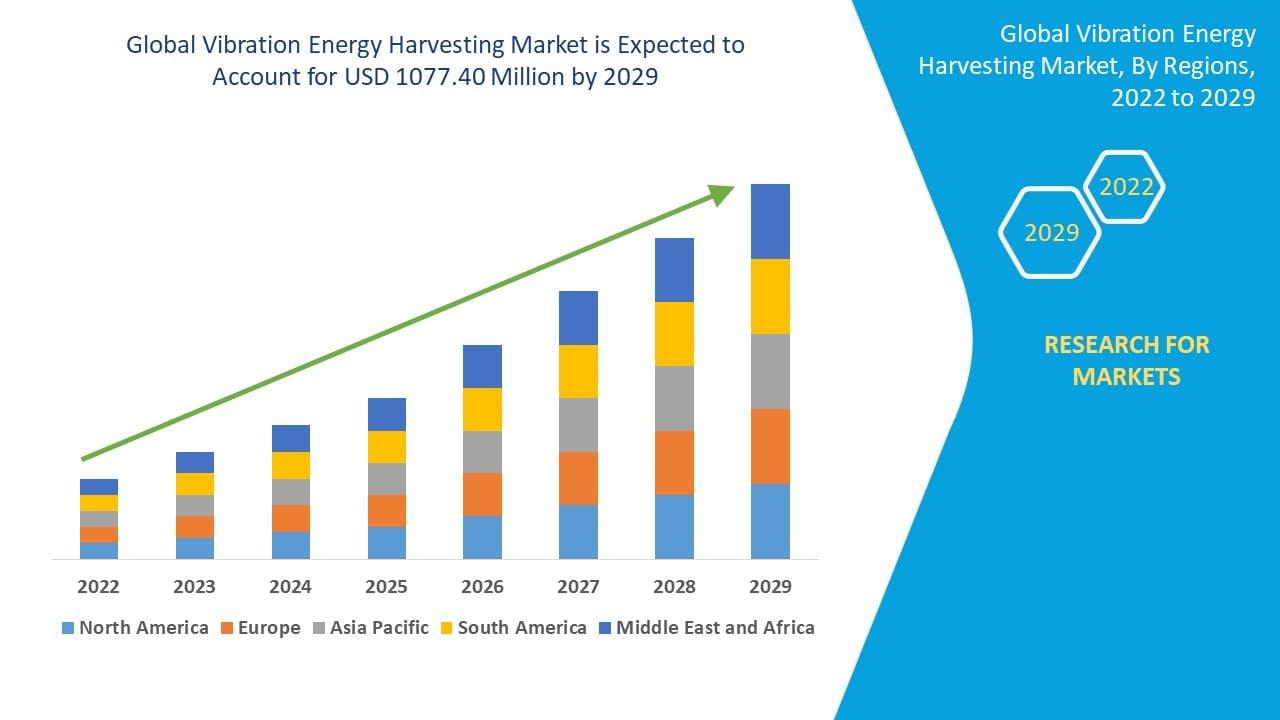
According to the latest report published by Data Bridge Market Research, the Vibration Energy Harvesting Market Global Vibration Energy Harvesting Market was valued at USD 498.97 million in 2021 and is expected to reach USD 1077.40 million by 2029, registering a CAGR of 10.10% during the forecast period of 2022-2029. Industrial accounts for the largest application segment in the...
Guild System Overview Joining a guild in AFK Journey offers a great way to team up with friends for shared adventures and cooperative challenges. Together, you can tackle game content and enhance your collective progress. Additionally, guilds serve as a platform for competitive play, allowing members to engage in battle drills and glory expeditions against rival guilds. One notable aspect to...

The Europe cloud gaming market is experiencing robust growth, with projections estimating a remarkable market size of approximately USD 2,696.83 million by 2035. This figure illustrates a substantial increase from USD 313.5 million in 2024. Driving this momentum is a compound annual growth rate (CAGR) of 26.101%, reflecting the growing consumer demand for innovative gaming solutions. With the...

China's cinema landscape welcomes a digital leap with 'Star Wars: Episode II'. Set for a July 12 mainland premiere, this marks a swifter release following its global debut. It pioneers as the first foreign feature to be showcased digitally across Chinese theaters. This move aligns with efforts to combat piracy by reducing the window between international and local releases. The strategy proved...
According to the latest report published by Data Bridge Market Research, the Heat Interface Unit Market The global heat interface unit market size was valued at USD 873.13 billion in 2025 and is expected to reach USD 1,598.24 billion by 2033, at a CAGR of 7.85% during the forecast period SWOT analysis and Porter’s Five Forces analysis...