Europe Soft Drink Market Trends Driving Innovation and Consumer Choice
The Europe Soft Drink Market is evolving as beverage companies respond to changing consumer preferences, increasing health awareness, and demand for convenient refreshment. Although carbonated soft drinks remain an established category, the market is becoming more diversified through flavored waters, functional beverages, energy drinks, ready-to-drink products, and reduced-sugar alternatives. Manufacturers are increasingly focusing on formulation, packaging, branding, and sustainability to remain competitive in Europe's dynamic beverage environment.
The growing use of functional beverage ingredients is creating opportunities for manufacturers to develop products with differentiated nutritional and lifestyle positioning. Functional ingredients can include vitamins, minerals, electrolytes, botanical extracts, antioxidants, and other components depending on the product concept. These ingredients allow beverage companies to move beyond basic refreshment and target specific consumer needs.
One of the most influential trends is sugar reduction. European consumers are increasingly examining nutrition labels and becoming more aware of the relationship between regular consumption of high-sugar products and overall dietary patterns. As a result, beverage manufacturers are investing in reformulation and developing products that deliver familiar sweetness with lower sugar content.
Alternative sweeteners play an important role in this transformation. Companies are experimenting with different combinations to achieve an acceptable taste profile while reducing sugar. Stevia and other high-intensity sweeteners can be used in certain formulations, while blending approaches can help manufacturers manage aftertaste and mouthfeel.
Flavor innovation is another important growth strategy. Traditional cola, orange, lemon, and lime flavors remain popular, but consumers are increasingly exposed to berry, tropical, grapefruit, peach, cucumber, botanical, herbal, and exotic flavor profiles. Limited-edition flavors can generate consumer interest, while premium combinations can help brands differentiate themselves in crowded retail environments.
Flavored water is gaining attention as consumers seek lighter alternatives to conventional soft drinks. These beverages can provide refreshment while offering different flavor experiences. Some products are also positioned around hydration or added functional ingredients, allowing manufacturers to target consumers who want more than conventional bottled water.
Energy drinks remain a major category within the broader soft drink landscape. They appeal to consumers seeking convenient products during demanding daily activities. Innovation is increasingly focused on sugar-free options, functional ingredients, alternative flavors, and specialized positioning.
Functional beverages are also expanding the definition of soft drinks. Products containing electrolytes may appeal to active consumers, while beverages with vitamins or botanical ingredients can target wellness-oriented shoppers. However, manufacturers need to ensure that formulations and marketing claims comply with relevant European regulatory requirements.
Packaging is becoming a major competitive consideration. European consumers increasingly expect brands to address environmental concerns associated with packaging waste. Manufacturers are exploring recycled plastic, recyclable aluminum, lightweight containers, refillable concepts, and more efficient packaging designs.
The choice of packaging can also influence convenience. Cans are popular for single-serving occasions, while PET bottles provide portability and resealability. Larger bottles remain important for household consumption and social occasions.
Distribution strategies are becoming more sophisticated. Supermarkets and hypermarkets provide large-scale consumer reach, while convenience stores and vending machines support impulse consumption. Restaurants, cafés, cinemas, sporting venues, and entertainment centers offer additional consumption occasions. Online retailers are also becoming increasingly relevant for multipacks and specialized beverage brands.
Digital marketing is helping beverage companies engage younger consumers and introduce new products. Social media campaigns, influencer partnerships, limited releases, and interactive promotions can create awareness around new flavors and product concepts.
Sustainability and supply-chain efficiency will remain important areas of investment. Beverage companies are examining ingredient sourcing, water usage, energy consumption, transportation, packaging materials, and production efficiency as part of broader sustainability strategies.
Technology can support this transformation through automated production, filling, labeling, inspection, and packaging systems. Automation can improve consistency and efficiency while helping manufacturers manage increasingly diverse product portfolios.
In the coming years, the Europe Soft Drink Market is likely to become even more segmented. Consumers will have access to beverages designed around refreshment, hydration, energy, wellness, indulgence, and convenience. Companies that combine appealing taste with credible nutritional and sustainability attributes will be well positioned to capture emerging opportunities.
FAQs
1. Why is sugar reduction important in the European soft drink industry?
Growing consumer awareness of sugar consumption is encouraging manufacturers to reformulate products and introduce reduced-sugar and zero-sugar alternatives.
2. What are functional soft drinks?
Functional soft drinks are beverages formulated with ingredients such as vitamins, minerals, electrolytes, botanicals, or other components intended to provide additional product benefits.
3. How is packaging influencing the market?
Recyclability, recycled content, lightweight designs, portability, and convenient formats are increasingly influencing beverage packaging decisions.
Kategoriler
Read More
Recent leaks about Honkai: Star Rail have shed light on the upcoming character Castorice, revealing intriguing details about her unique abilities. Scheduled to debut in version 3.2 as a five-star quantum remembrance unit, she has captivated fans since her initial appearance in the 3.0 update during the journey to Amphoreus. Fans first encountered her as a Chrysos heir capable of affecting...

The global Agent-Based Modeling Software Market is accelerating rapidly as organizations across healthcare, transportation, finance, and government embrace simulation-driven decision-making. From predicting disease spread to optimizing urban logistics, agent-based modeling has become an essential tool for understanding how individual behaviors shape complex systemic outcomes....

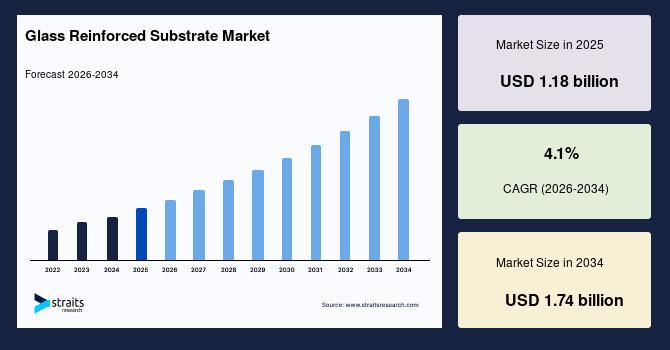
Glass Reinforced Substrate Market Overview A new report titled “Global Glass Reinforced Substrate Market Professional Report 2025-2033” has been added by Straits Research to its repository of research reports. The report analyzes and estimates the market on a global, regional, and country level. The report offers data from previous years along with an in-depth analysis from 2025 to...
A standout aspect of Call of Duty: Warzone is the Gulag, a distinctive feature granting players a second opportunity to re-enter the battle royale after their initial defeat. This mechanic has garnered widespread acclaim for adding a unique twist that differentiates Warzone from other battle royale titles. Recently, hints have emerged suggesting that a map inspired by the Gulag might be...
The Smart Home Market Value proposition extends far beyond the novelty of connected gadgets, delivering a powerful and multi-layered set of benefits that enhance a homeowner's quality of life in tangible ways. The true value of the smart home is not found in any single device, but in the holistic integration of these devices to create an environment that is more convenient, secure,...