The Digital Assembly Line: Deconstructing the Cloud Manufacturing Market Platform Architecture
The Integrated Ecosystem of Digital Production
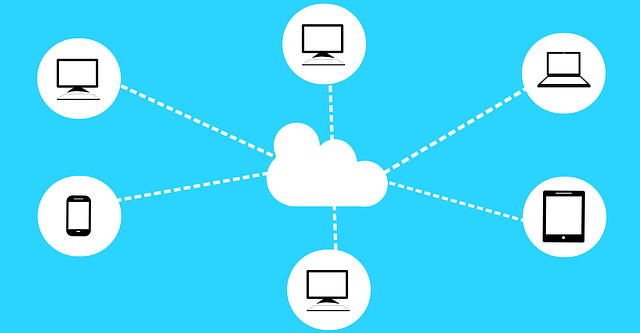
At the heart of the cloud manufacturing revolution lies the platform—a sophisticated and integrated software ecosystem that orchestrates the entire process of turning a digital design into a physical product. A Cloud Manufacturing Market Platform is far more than a simple website; it is a multi-layered architecture that combines elements of e-commerce, supply chain management, advanced data analytics, and industrial process knowledge. Its fundamental purpose is to abstract away the immense complexity of dealing with hundreds of different manufacturing processes, materials, and suppliers, and present the user with a simple, unified interface for procuring custom parts on demand. This platform acts as the central nervous system of the digital factory, managing the flow of information from the customer's design file to the machine on the factory floor and back again. Understanding the key components of this architecture—the front-end user interface, the intelligent back-end engine, and the partner-facing network portal—is essential to appreciating the technological innovation that makes this new mode of production possible and scalable.
The Front-End: The Gateway for Design and Quoting
The user's journey begins at the front-end of the platform, a web-based interface designed for simplicity and speed. This is the customer-facing gateway where the entire process is initiated. The most critical feature of the front-end is the quoting engine. A user uploads a 3D CAD (Computer-Aided Design) file of the part they want to produce. The platform's software then performs a series of complex operations in near real-time. It analyzes the geometry of the part to determine its manufacturability, a process known as Design for Manufacturability (DFM) analysis. It identifies potential issues, such as walls that are too thin for a specific process or features that are impossible to machine. Simultaneously, the quoting engine calculates the cost of production based on the chosen material, the manufacturing process (e.g., 3D printing vs. CNC machining), the quantity required, and the complexity of the geometry. This entire process, which used to take days or weeks of back-and-forth communication with a traditional machine shop, is often completed in seconds. This instant feedback loop allows engineers to rapidly iterate on their designs, adjust parameters to meet cost targets, and make informed decisions with unprecedented speed.
The Back-End: The Intelligent Orchestration Engine
While the front-end provides the user interface, the true "magic" of the cloud manufacturing platform resides in its intelligent back-end engine. This is the complex system of algorithms and data processing that orchestrates the entire fulfillment process. Once an order is placed, the back-end is responsible for supplier matching. It uses sophisticated algorithms to match the job's specific requirements—material type, required tolerances, required certifications (e.g., aerospace or medical), and delivery timeline—with the capabilities and current availability of the thousands of manufacturing partners in its network. This engine considers factors like a partner's past performance, quality scores, and geographic location to make the optimal assignment. The back-end also serves as the central hub for project management and communication, tracking the status of the order as it moves through production, quality inspection, and shipping. It processes vast amounts of data, providing both the customer and the platform operator with real-time visibility into the entire production pipeline. This data-driven orchestration is what enables the platform to manage thousands of concurrent projects with a level of efficiency that would be impossible to achieve through manual methods.
The Partner Network Portal: Connecting the Physical Capacity
The third critical component of the platform architecture is the partner-facing portal. This is the interface through which the physical manufacturing capacity of machine shops and factories is connected to the digital ecosystem. Manufacturing partners use this portal to manage their profile, listing their machines, capabilities, material specializations, and certifications. The portal is how they receive and accept job offers that are intelligently routed to them by the platform's back-end engine. Once a job is accepted, the portal becomes the primary tool for managing the production workflow. Partners can download the design files, receive production instructions, communicate with the platform's support team, and update the status of the job at each stage, from initial setup to final quality control. This portal is essential for creating a standardized and scalable process for working with a large and diverse network of suppliers. By providing these tools, the platform empowers small and medium-sized machine shops, giving them access to a global stream of customers and complex jobs that they would otherwise be unable to reach, effectively turning their idle machine time into revenue.
Explore More Like This in Our Reports:
Категории
Больше
Sharing and Community Engagement Sharing options include copying the link, or using platforms like Facebook, X, WhatsApp, Reddit, Pinterest, Flipboard, and email. Feel free to share this article with others. Join the ongoing conversation and follow us for more updates. Add us as a preferred source on Google to stay connected. Subscribe to the PC Gamer newsletter to receive the latest news and...

The rapidly evolving landscape of intelligent computing is steering unprecedented growth in the Edge AI hardware Market Trends 2026. With the proliferation of AI-driven applications, devices now demand high-performance, low-latency, and energy-efficient solutions that can process data at the edge. Edge AI hardware is becoming the backbone for AI acceleration, enabling faster inference...
Apple gift cards are highly popular worldwide due to their adaptability and broad usability across various Apple products and services. However, many people are often confused about the different categories of these cards and their specific uses. Understanding the distinctions between the types of Apple gift cards is key to maximizing their benefits. This guide will clarify the various card...
Introduction to FC 26 Cornerstones Promo With the arrival of FC 26, a fresh promo has been introduced to celebrate the game's launch. As global access opens up, EA unveils the Cornerstones event, highlighting those essential players who are vital to their teams. These include reliable veterans, influential long-term players, and promising youngsters who have taken on key responsibilities....
Ryan Murphy, a visionary talent renowned for his boundary-pushing work in television, has secured an exclusive multi-year partnership with Netflix, beginning July 1, 2018. This deal marks a significant milestone in his career, allowing him to produce new series and films solely for the streaming giant. Netflix’s Chief Content Officer, Ted Sarandos, praised Murphy’s impact on the...