The Battle for the Peaks: Analyzing the Mountain and Ski Resort Market Share

The competitive landscape of the global mountain and ski resort sector has been dramatically reshaped over the past decade, shifting from a fragmented collection of independent mountains to a highly consolidated industry. An in-depth look at the Mountain And Ski Resort Market Share reveals a clear dominance by a few major corporate players. Companies like Vail Resorts and Alterra Mountain Company have aggressively pursued an acquisition-based growth strategy, bringing dozens of individual resorts under a unified corporate umbrella. This consolidation has allowed them to achieve significant economies of scale in operations, marketing, and technology. The primary tool of competition in this new paradigm is the multi-resort, multi-continent season pass, such as Vail's Epic Pass and Alterra's Ikon Pass. These passes offer skiers and snowboarders access to a vast portfolio of destinations for a single, attractive price, fundamentally altering consumer purchasing behavior and creating powerful network effects that lock in customer loyalty and make it challenging for smaller, independent resorts to compete on price and variety.
The Era of Consolidation: Vail vs. Alterra
The story of modern market share in the ski industry is largely the story of two giants: Vail Resorts and Alterra Mountain Company. Vail Resorts pioneered the consolidation model with its Epic Pass, systematically acquiring iconic resorts across North America and expanding into Europe, Japan, and Australia. Their strategy revolves around a centralized, data-driven approach to marketing and operations, creating a standardized, high-quality experience across their portfolio. In response to Vail's dominance, Alterra Mountain Company was formed, bringing together a collection of prestigious resorts and partnering with others to create the Ikon Pass. Alterra's model is slightly different, often allowing its resorts to retain more of their unique local character and operational autonomy. This duopoly has created an intense rivalry, with both companies competing fiercely for resort acquisitions, partnerships, and, most importantly, the loyalty of skiers and snowboarders, who are now often forced to choose their allegiance at the beginning of each season.
The Role and Strategy of Independent Resorts
While the giants battle for supremacy, hundreds of independent ski resorts continue to play a vital role in the industry. Unable to compete with the sheer scale and value proposition of the Epic and Ikon passes, these independents must differentiate themselves in other ways. Many have found success by cultivating a unique, authentic identity that stands in stark contrast to the perceived corporate nature of the mega-resorts. They often focus on providing a more personal, community-oriented guest experience, with friendly staff, fewer crowds, and a strong connection to local culture. Other strategies for survival and success include focusing on a specific niche, such as being the best mountain for beginners and families, or offering the most challenging expert terrain. Many independents have also joined smaller alliances, such as the Indy Pass or Mountain Collective, which offer a multi-resort experience on a smaller scale, providing a compelling alternative for skiers who seek variety without committing to the mega-pass ecosystem.
International Players and Regional Dominance
Outside of the North American-centric rivalry between Vail and Alterra, the global market share is more fragmented, with strong regional players dominating their respective territories. In Europe, the market is characterized by a mix of large, publicly-listed companies like Compagnie des Alpes (which operates many of France's top resorts) and a vast number of smaller resorts that are often owned and operated by local municipalities or families. These resorts are deeply integrated into the fabric of alpine life and cater to a large European customer base. In Japan, companies like the Prince Hotels group operate a significant portfolio of ski resorts, known for their abundant powder snow and unique cultural experience. As the market in Asia grows, local and regional players are well-positioned to capture significant share, although they are increasingly forming partnerships with or facing acquisition pressure from the major global conglomerates seeking a foothold in these high-growth markets.
➤ Featured Insights from Market Research Future:
China Ai Ml In Media And Entertainment Market
Categorias
Leia mais
The Artificial Intelligence Ai Cyber Security market is currently undergoing a seismic shift, projected to achieve a market size of $67.4 billion by 2035. With a compound annual growth rate (CAGR) of 10.63%, this sector is rapidly evolving in response to increasing cyber threats and the need for sophisticated security solutions. As organizations grapple with the complexities of digital...

IO Interactive's upcoming James Bond game, 007: First Light, is drawing inevitable comparisons to the developer's signature Hitman series. Yet according to IOI's 007 franchise director Jonathan Lacaille, the game is neither a pure Hitman-style stealth sandbox nor the linear, cinematic action adventure its announcement trailer might suggest. Speaking during Summer Game Fest 2025, Lacaille...

In an era dominated by digital transformation, the cybersecurity landscape continues to evolve alongside emerging technological threats. As we observe the annual global initiative promoting online safety, experts are increasingly concerned about artificial intelligence's dual-edged impact on internet security. The cybersecurity industry, particularly virtual private network providers, is...
The highly anticipated television adaptation of J.K. Rowling's beloved saga is generating immense excitement behind the scenes. Warner Bros. Discovery executive J.B. Perrette, having recently visited the Leavesden Studios set, was profoundly impressed by the elaborate production. He marveled at the unprecedented scale and meticulous detail, suggesting the series will elevate theatrical...
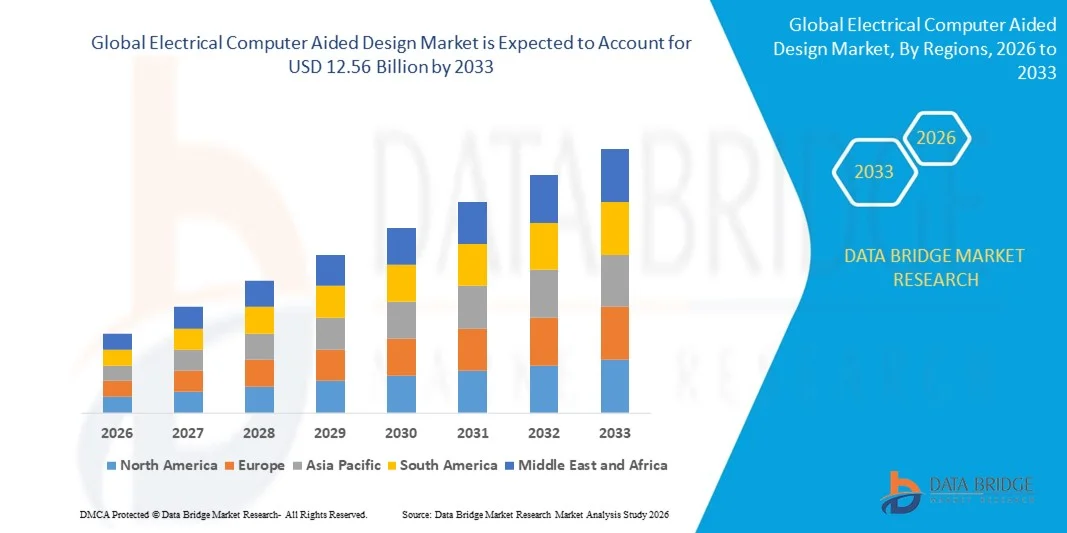
According to the latest report published by Data Bridge Market Research, the Electrical Computer Aided Design Market The global electrical computer aided design market size was valued at USD 7.34 billion in 2025 and is expected to reach USD 12.56 billion by 2033, at a CAGR of 6.95% during the forecast period. An influential Electrical Computer Aided...